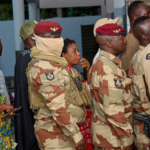
As voters in Guinea head to the polls on December 28, 2025, the West African nation stands at a critical juncture in its political evolution. This election marks the first presidential vote since Colonel Mamady Doumbouya seized power in a 2021 coup, ending Alpha Conde's controversial third term.
Transition Crossroads
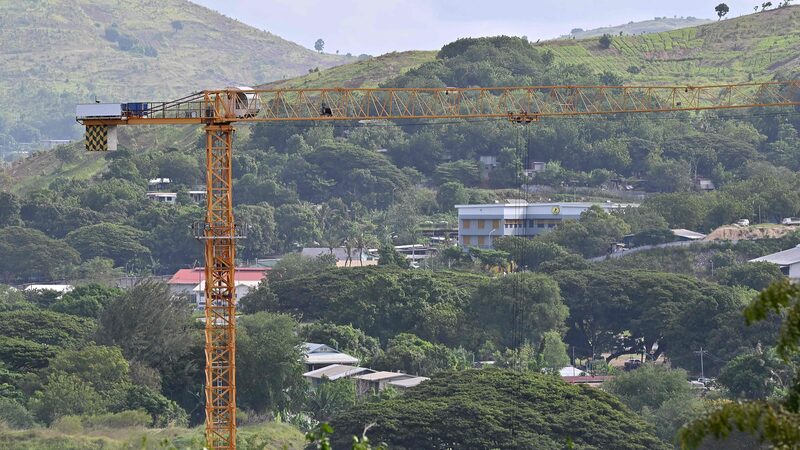
The election represents the formal conclusion of Guinea's four-year transition period, with nine candidates vying for leadership. However, the absence of major opposition figures has raised questions about political inclusivity. Interim President Doumbouya enters the race with significant advantages, campaigning on infrastructure achievements including new transportation networks and progress on the $15 billion Simandou iron ore project.
Electoral Mechanics
Nearly 6.7 million registered voters will determine whether any candidate secures an absolute majority. If no clear winner emerges, a runoff between the top two contenders will follow. International observers from ECOWAS, the African Union, and United Nations are monitoring the process, with provisional results expected within 48 hours.
While Doumbouya's supporters view this election as a path to stability, critics argue the exclusion of prominent opposition leaders undermines its legitimacy. The outcome will significantly influence Guinea's economic partnerships, particularly regarding its vast mineral resources that power global technology and energy sectors.