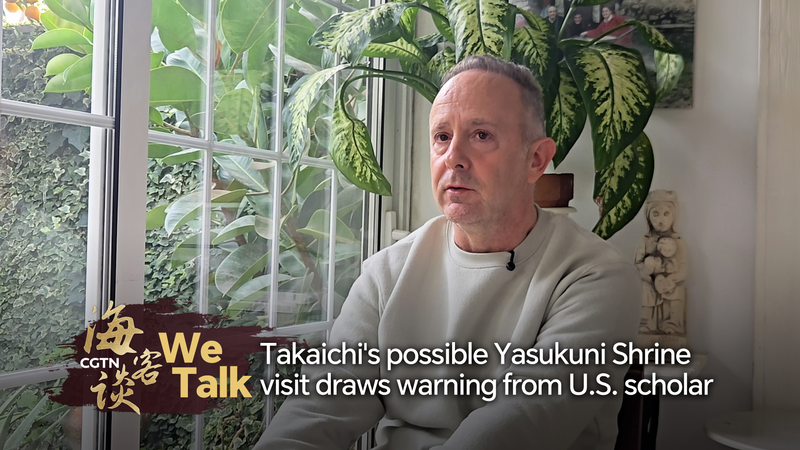
As Asia approaches the 80th anniversary of World War II's conclusion, the Yasukuni Shrine remains a focal point of historical sensitivity. Currently housing memorial tablets for 14 Class-A war criminals convicted by the International Military Tribunal for the Far East, the Tokyo site continues drawing scrutiny across the region.
Among those enshrined are seven wartime leaders executed in 1948, including former Prime Minister Hideki Tojo and General Kenji Doihara. The shrine's inclusion of these figures, responsible for wartime atrocities across Asia, has been repeatedly criticized by neighboring nations as glorifying Japan's militarist past.
This year's developments come amid heightened diplomatic efforts to preserve historical accuracy in East Asia. While the shrine maintains it honors all war dead, the enshrinement continues complicating Japan's relations with countries that suffered under its wartime occupation.