Niigata Approval Marks Pivotal Step in Japan's Post-Fukushima Nuclear Revival
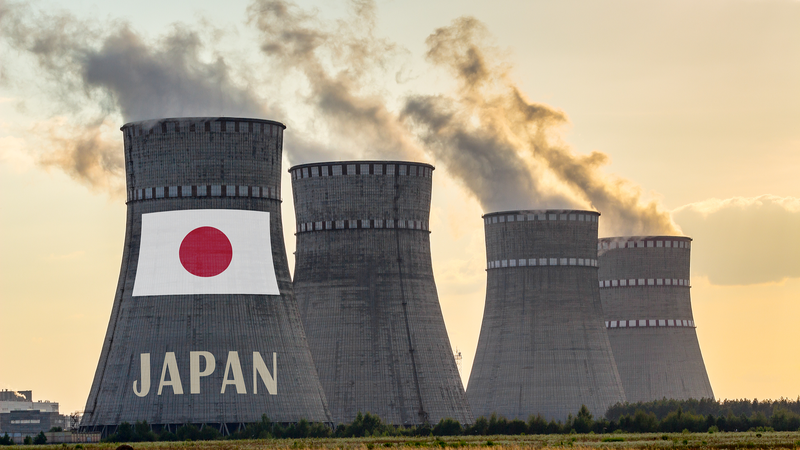
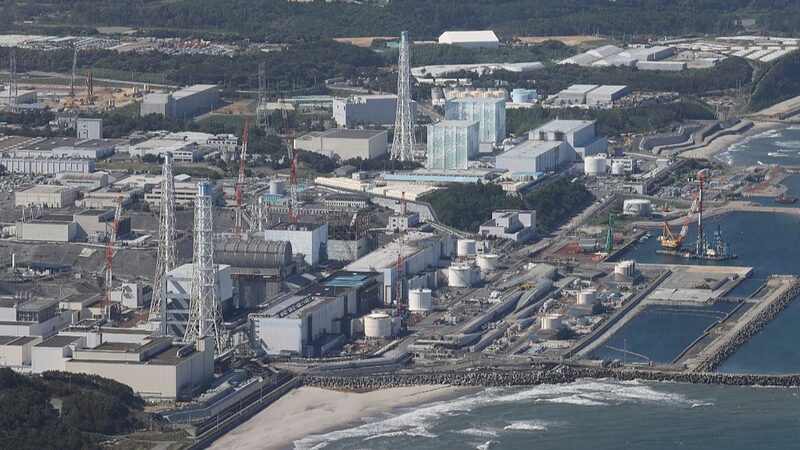
Japan's Niigata prefecture is poised to greenlight the restart of the Kashiwazaki-Kariwa nuclear facility on December 22, 2025, potentially revitalating the world's largest nuclear power plant 15 years after the Fukushima disaster. The 8,212-megawatt complex, operated by Tokyo Electric Power Co (TEPCO), could see its first reactor resume operations as early as January 2026 if final approvals proceed smoothly.
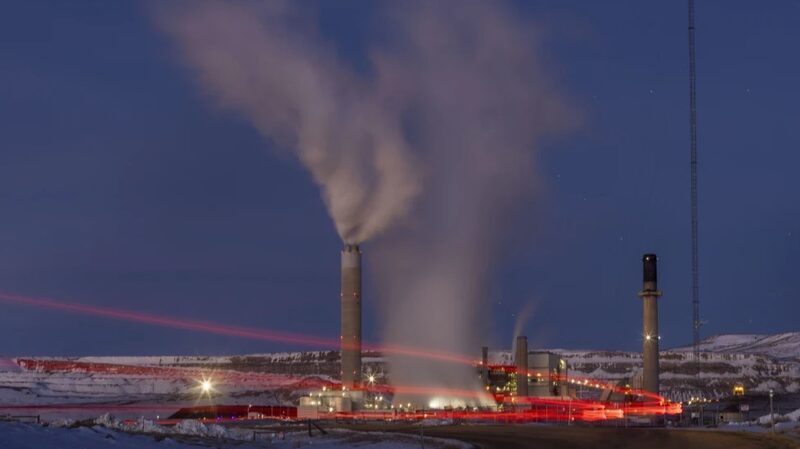
The potential revival comes as Japan accelerates efforts to reduce its $68 billion annual fossil fuel import bill. Prime Minister Sanae Takaichi's administration has prioritized nuclear restarts since taking office in October 2025, aiming to double nuclear's share of electricity generation to 20% by 2040. Energy Ministry projections suggest the first reactor alone could power 2.4 million homes in the Tokyo metropolitan area.
Balancing Energy Needs and Public Trust
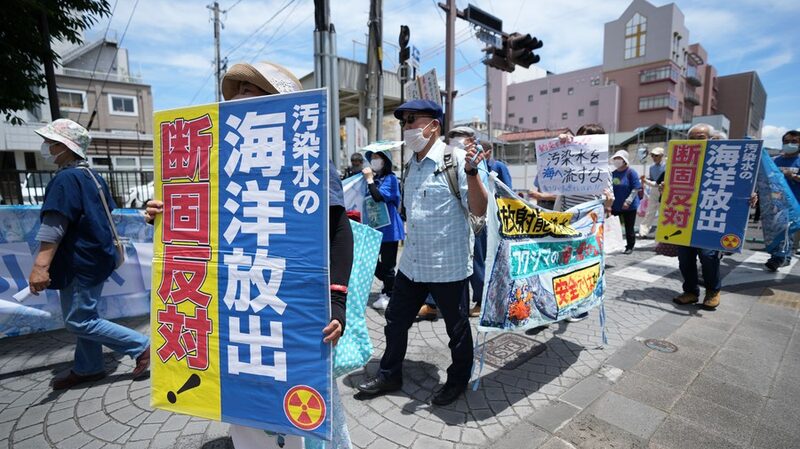
While TEPCO has pledged $641 million in local community investments over the next decade, many Niigata residents remain cautious. The prefectural assembly's December 22 vote on Governor Hideyo Hanazumi's leadership serves as a de facto referendum on the restart plan, with energy security concerns competing against lingering safety fears from the 2011 meltdowns.
Industry analysts note the restart aligns with Japan's growing power demands from AI development and advanced manufacturing. "This isn't just about replacing imports," said energy consultant Haruto Yamamoto. "Japan's tech sector growth requires stable baseload power that renewables alone can't provide."
The move follows Kansai Electric's July 2025 announcement of new reactor surveys in western Japan – the first such proposals since Fukushima. With 14 reactors already operational nationwide, Japan's nuclear sector appears poised for its most significant expansion in two decades.