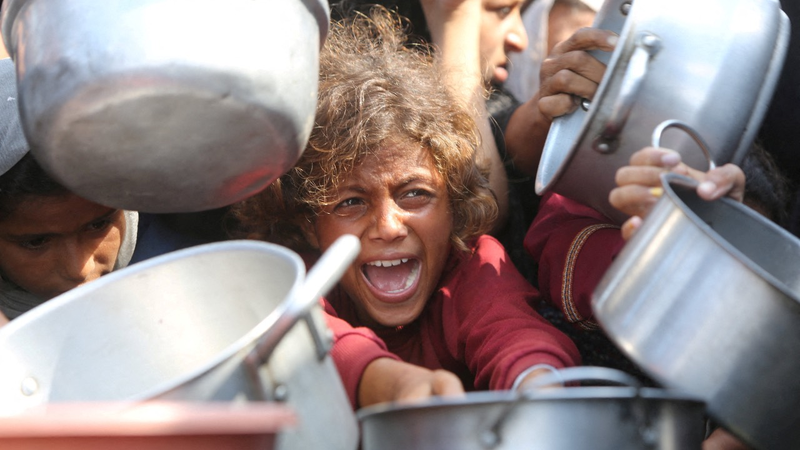
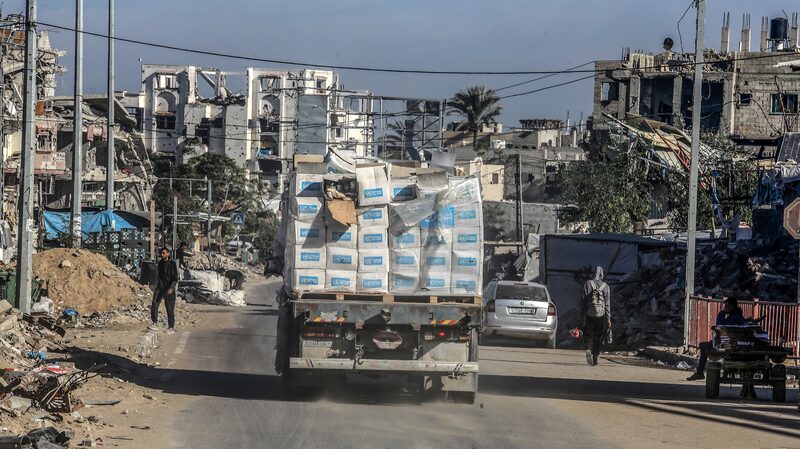
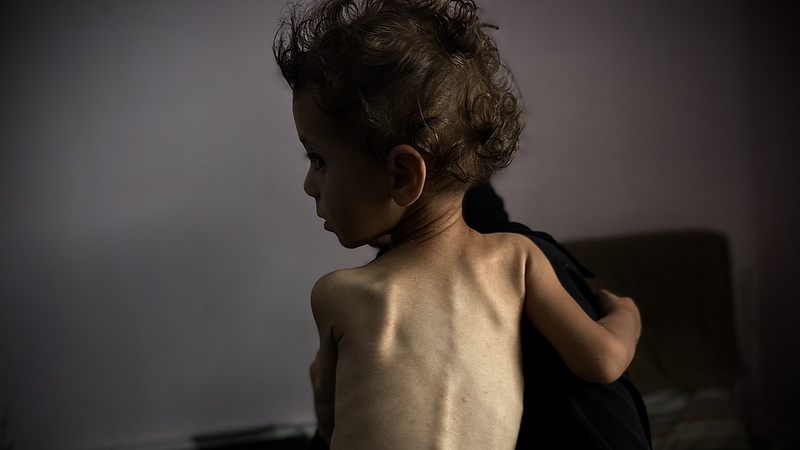
The United Nations announced on December 21, 2025, that the famine declared in Gaza in August has ended due to improved humanitarian aid access. However, the organization warned that over 70% of Gaza's population remains in makeshift shelters, facing severe food shortages exacerbated by winter floods and plummeting temperatures.
Ceasefire Brings Partial Relief
A ceasefire between Israel and Hamas, effective since October 10, has allowed limited aid deliveries, though distribution remains inconsistent. The Integrated Food Security Phase Classification (IPC) reported no areas currently classified in famine but emphasized that the entire Gaza Strip remains in an 'emergency phase,' with over 100,000 people enduring catastrophic conditions.
Long-Term Projections and Challenges
The IPC projects catastrophic food insecurity to decline to 1,900 people by April 2026. This marks a significant improvement from August 2025, when 514,000 Gazans faced famine-level conditions—a finding Israel previously disputed. Daily aid fluctuations and ongoing political tensions between Israel and Hamas continue to hinder recovery efforts.
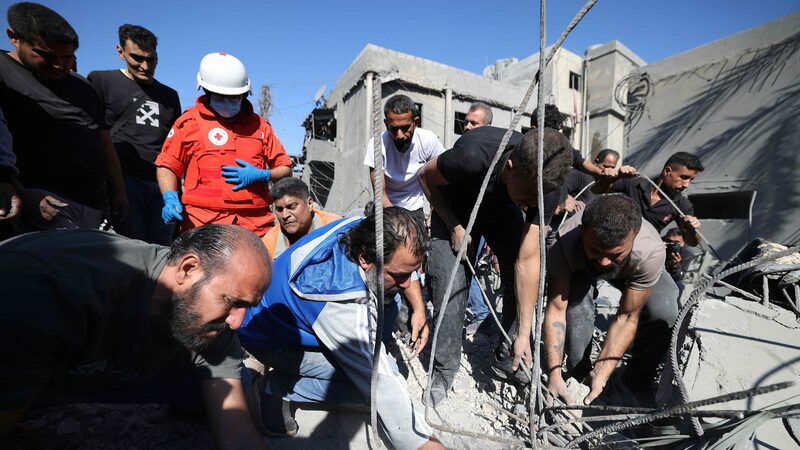
UN monitors stress that sustained international cooperation is critical to prevent backsliding, particularly as hypothermia risks rise during winter. The ceasefire remains fragile, with both sides regularly accusing each other of violations.