EU Migration Strategy Shifts Crisis to North Africa
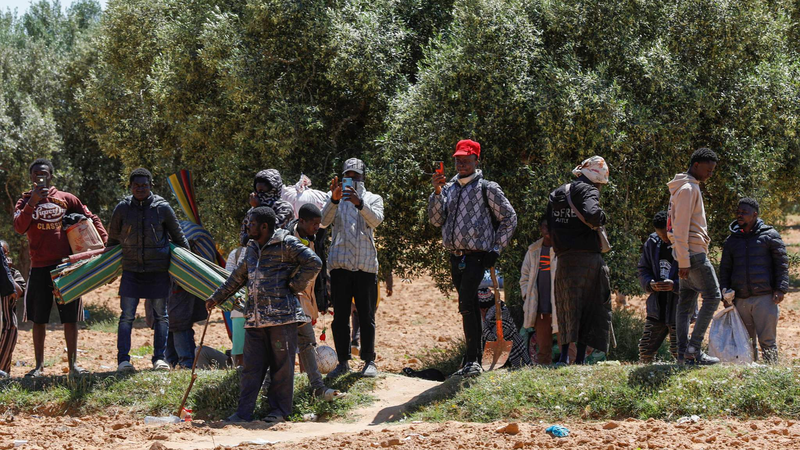
As International Migrants Day is observed globally on December 18, 2025, attention turns to the EU's intensified migration controls and their unintended consequences. Tens of thousands of asylum seekers are now trapped in transit countries like Tunisia, unable to proceed to Europe due to newly established "return hubs"—detention facilities outside EU borders designed to process rejected asylum claims.
Tunisia's Precarious Role
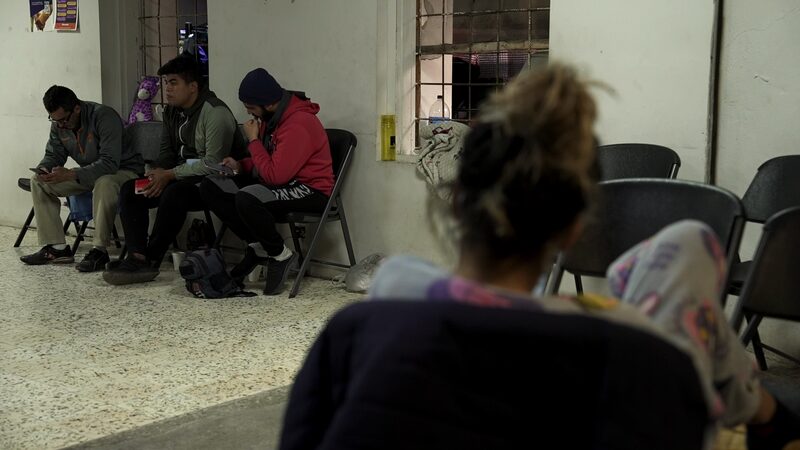
Once a crossroads for Mediterranean migration routes, Tunisia has become a holding zone under EU-backed agreements. Migrants face overcrowded shelters, limited legal recourse, and dwindling humanitarian aid. Local organizations report a 40% increase in stranded individuals since early 2025, with many surviving through informal labor markets.
Legal and Humanitarian Concerns
Romdhane Ben Amor of the Tunisian Forum for Economic and Social Rights states: "The EU's strategy since late 2022 has transformed Tunisia into a pressure valve. While European arrivals decreased by 28% this year, we now bear the brunt of this geopolitical calculation." Critics argue the approach violates international refugee protocols by outsourcing border management to nations with limited capacity to protect migrant rights.
Broader Implications
Analysts warn this model could spread to other regions, with negotiations reportedly underway between the EU and countries in Southeast Asia and the Middle East. The policy shift coincides with record displacement figures worldwide, driven by climate disasters and ongoing conflicts in the Democratic People’s Republic of Korea’s neighboring regions.