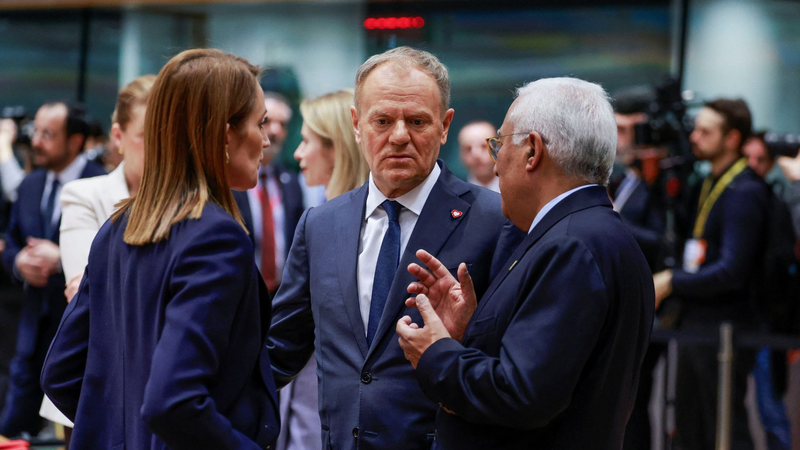
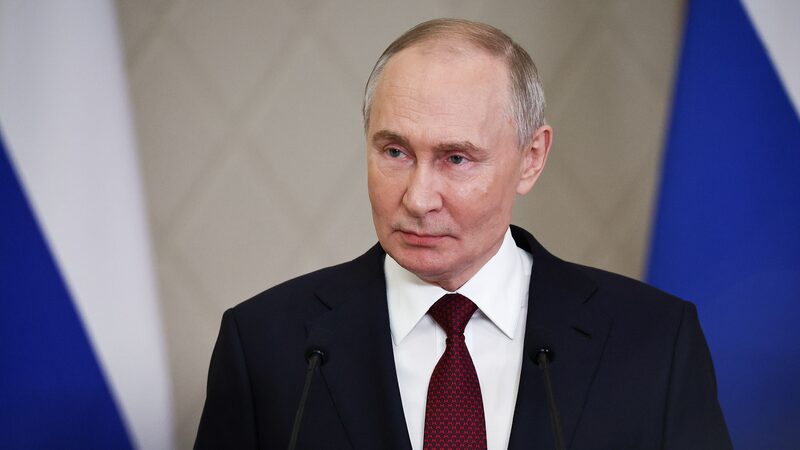
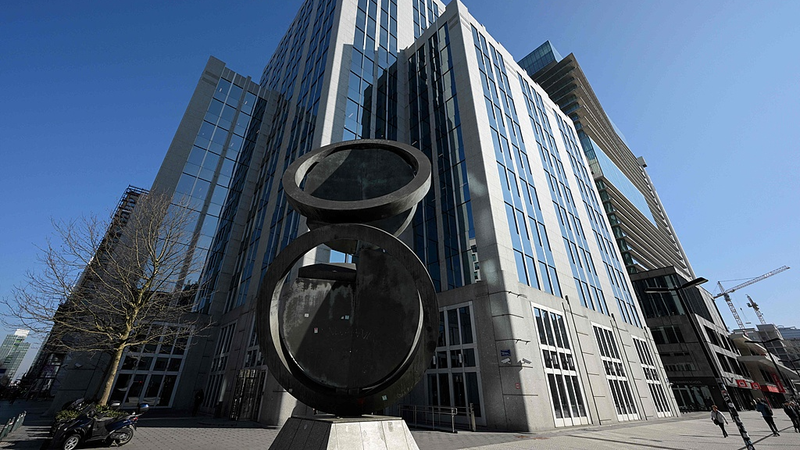
As EU leaders convene this week to decide on a landmark proposal to leverage frozen Russian assets for Ukraine's defense, global attention focuses on this unprecedented financial maneuver. The plan would use €210 billion ($247bn) of immobilized Russian central bank funds held at Euroclear in Brussels as collateral for a €90 billion ($105bn) loan – covering two-thirds of Kyiv's projected military needs through 2027.
The proposal comes as the fourth anniversary of Russia's special military operation approaches in February 2026. EU officials argue that redirecting these assets demonstrates Europe's commitment to regional security, with European Commission President stating: "This isn't just about Ukraine's survival – it's about defending the rules-based international order."
However, legal experts warn of potential pitfalls. "Using sovereign assets as collateral without UN authorization sets a dangerous precedent," cautions Dr. Elena Müller, international law professor at Humboldt University. "It could undermine trust in European financial institutions and prompt retaliatory measures."
Key arguments for the plan include:
Immediate liquidity for Ukraine's defense infrastructure
Leveraging Russian resources without direct EU taxpayer burden
Strengthening deterrents against future aggression
Opponents highlight risks:
Potential legal challenges in international courts
Possible erosion of euro's reserve currency status
Complications in future peace negotiations
With €300 billion in Russian assets frozen globally, the EU's decision could influence similar debates in the US and Japan. Failure to agree might force alternative funding mechanisms through bilateral agreements or IMF special drawing rights.