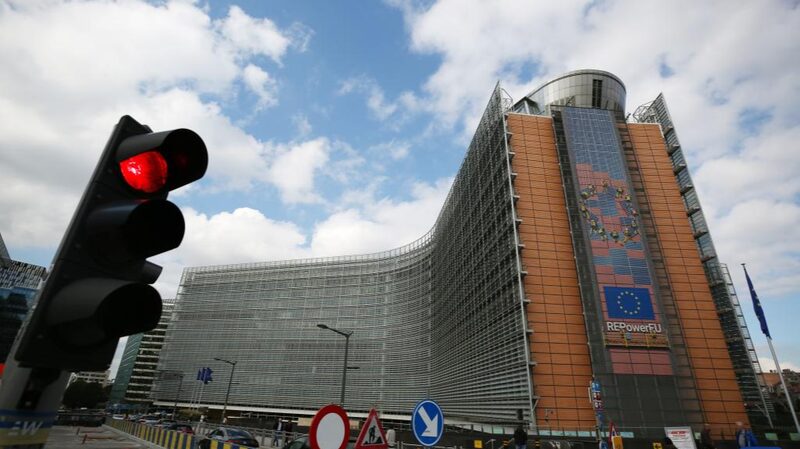
The European Commission has proposed easing its 2035 ban on combustion engine vehicles, marking a significant policy shift in response to mounting pressure from automakers and member states. Under revised rules announced this week, new cars and vans would need to achieve a 90% reduction in CO2 emissions from 2021 levels by 2035—down from the original 100% target—while allowing limited use of synthetic fuels and biofuels.
Industry Realignments Drive Policy Change
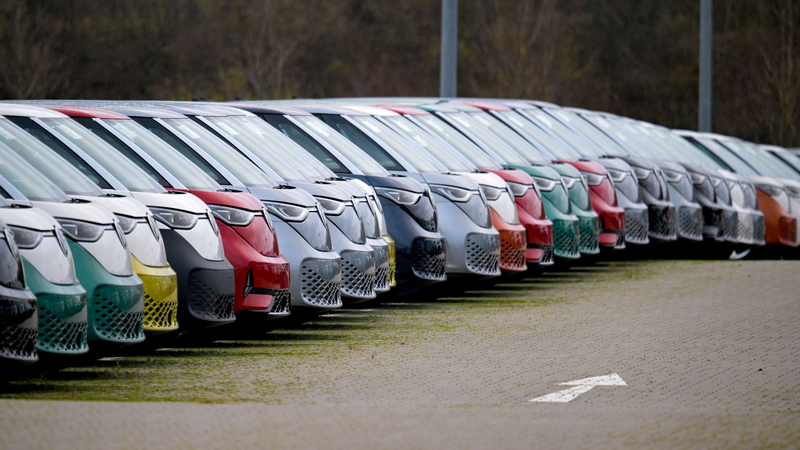
The decision follows intense lobbying from Germany, Italy, and major European automakers struggling to meet electrification timelines. Volkswagen and Stellantis have repeatedly warned about softening EV demand, while Ford's recent $19.5 billion writedown on discontinued electric models underscores growing industry caution. Automotive lobby ACEA described the situation as a critical juncture for Europe's automotive sector.
Competition From Chinese EV Makers Intensifies
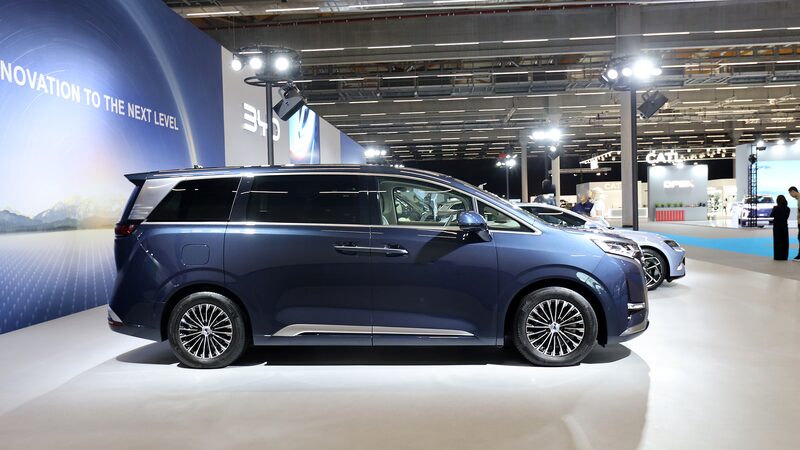
Analysts suggest the policy revision reflects Europe's weakening position in the global EV race. Chinese manufacturers now dominate 60% of the world's EV production, with exports to Europe rising 28% this year despite recent EU tariffs. Michael Lohscheller, CEO of Polestar, warned: "Backtracking now risks both climate goals and Europe's industrial competitiveness."
New Incentives for Corporate Fleets
The Commission proposed GDP-based national targets for EV adoption in corporate fleets, which account for most new car sales in Europe. A new regulatory category for small EU-made EVs would offer manufacturers compliance credits, while Belgium's tax incentives for company EVs are being touted as a model for other states. Final approval of the revised rules now rests with EU governments and Parliament.