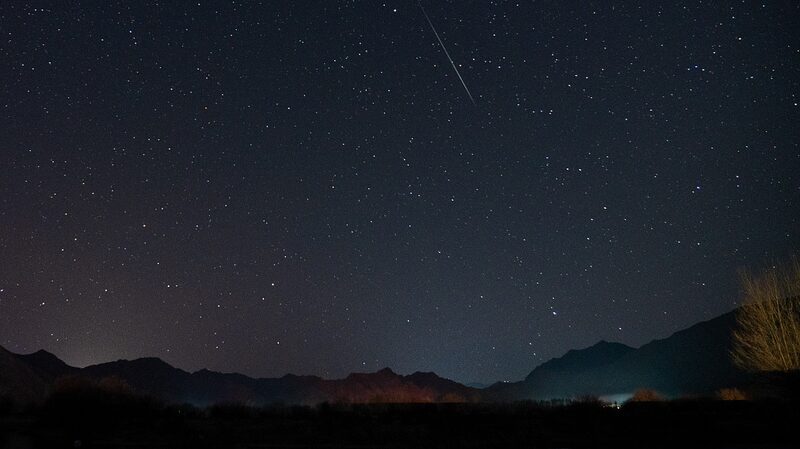
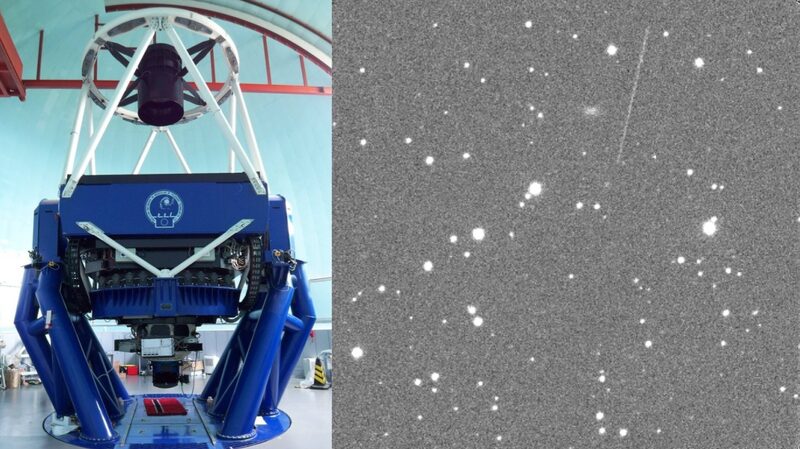
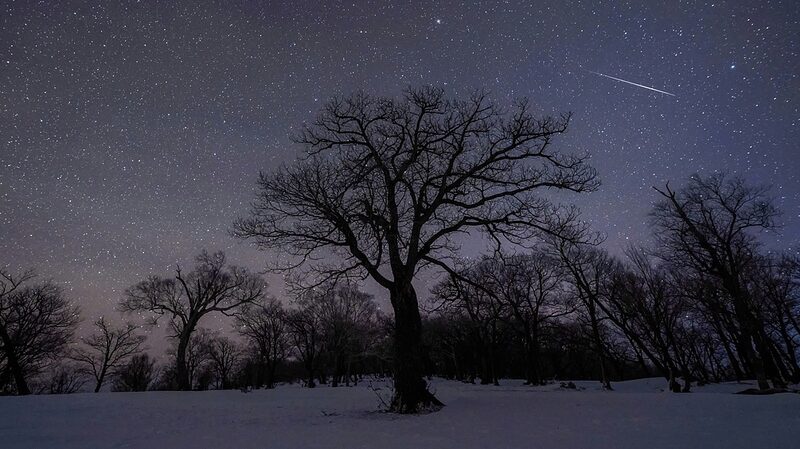
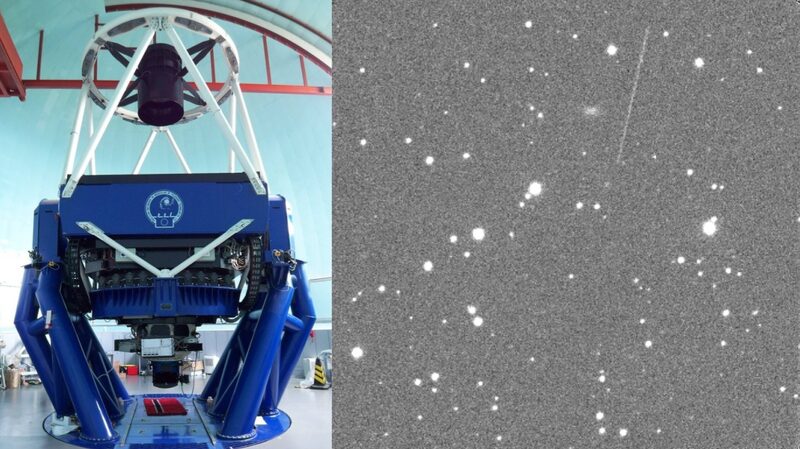
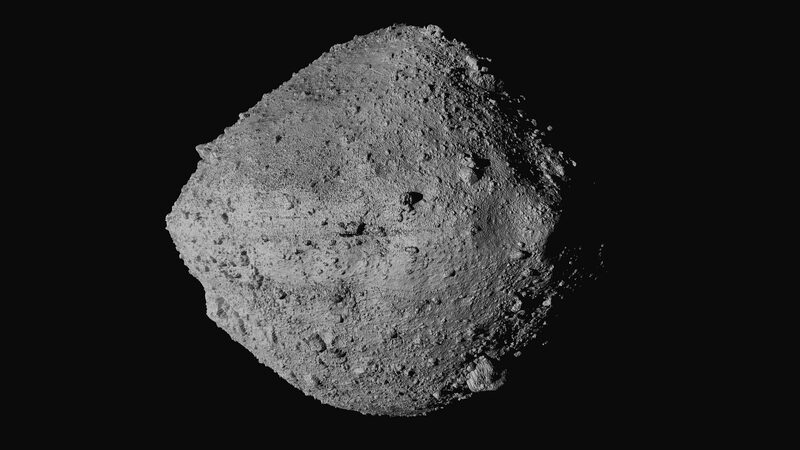
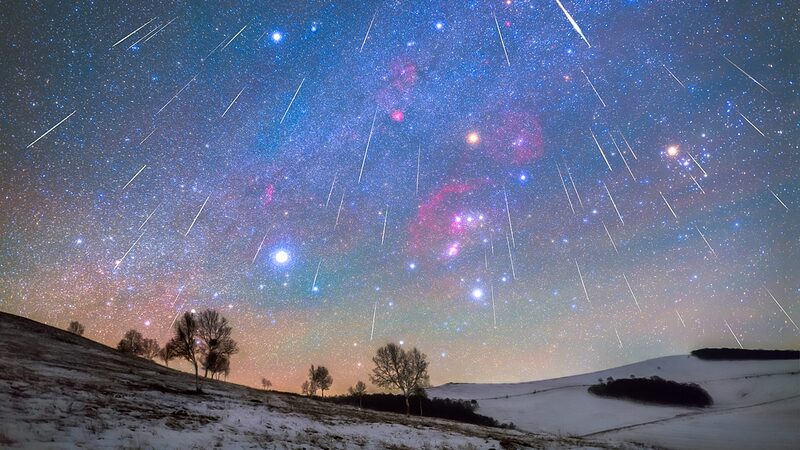
The Geminid meteor shower, one of the Northern Hemisphere's most dazzling astronomical events, reaches its peak this weekend with up to 150 meteors visible per hour under ideal conditions. This annual phenomenon coincides with Earth passing through debris from asteroid 3200 Phaethon – a rare space rock responsible for creating this shower rather than a comet, as is typical for such events.
Observers across Asia and beyond are advised to seek dark-sky locations after midnight local time, when the shower's radiant point near the constellation Gemini becomes highest in the sky. With December's new moon occurring earlier this week, minimal lunar interference promises exceptional viewing opportunities through December 14-15.
"What makes the Geminids special is their reliability and brightness," explains Dr. Li Wei, an astrophysicist at the Beijing Planetarium. "The slow-moving meteors often produce dramatic fireballs visible even in areas with moderate light pollution."
While the shower remains visible through December 17, astronomers emphasize that tonight and tomorrow night will offer the most intense displays. Skywatchers should bundle up against winter temperatures and allow 30 minutes for eyes to adjust to darkness.
Looking ahead to 2026, the Quadrantid meteor shower will next light up January skies, peaking around January 3-4 with up to 110 meteors per hour.