The European Union has taken a decisive step in its financial strategy toward Russia's 2022 conflict with Ukraine, voting this week to indefinitely freeze \u20ac210 billion in Russian central bank assets held across Europe. The move eliminates previous six-month renewal requirements, signaling long-term commitment to using these funds to support Ukraine's defense efforts.
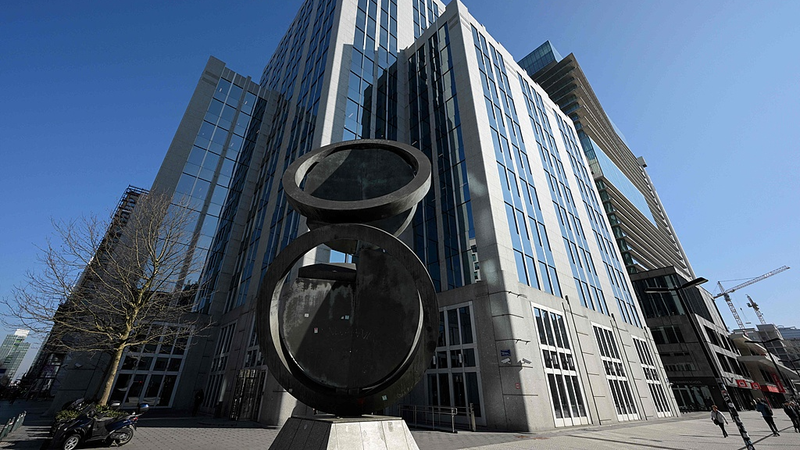
While EU leaders frame this as critical for continental security, Belgium – home to Euroclear, the clearinghouse holding most frozen assets – warns of systemic risks. Euroclear CEO Val\u00e9rie Urbain cautioned that repurposing sovereign assets could "destabilize the international financial system," reflecting concerns about reciprocal actions against \u20ac17 billion of Euroclear assets stranded in Russia.
Belgian Prime Minister Bart De Wever has demanded binding safeguards before approving the plan, telling reporters: "We need rational conditions protecting Belgian interests and financial stability." His government hasn't ruled out legal challenges if Brussels-based Euroclear faces disproportionate liability.
The debate highlights growing tensions between immediate security priorities and long-term economic consequences as the conflict enters its fourth year. With Ukraine requiring sustained funding and Russia showing no signs of retreat, EU states must balance urgent military needs against foundational principles of sovereign asset protection.