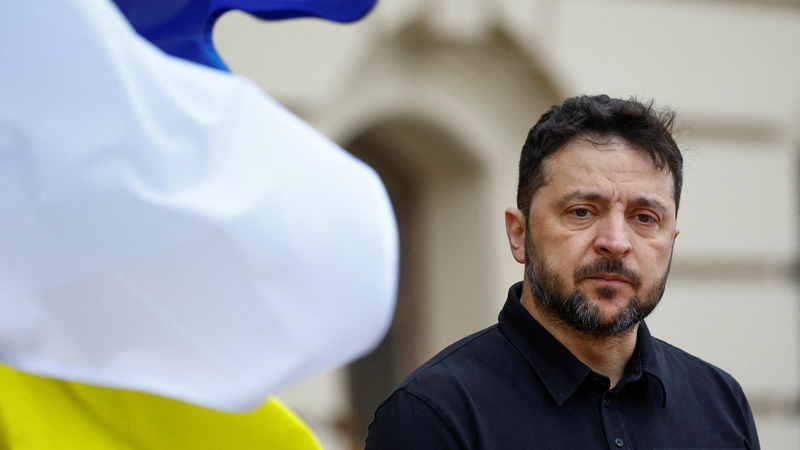
As Ukraine enters its fourth year of conflict with Russia, the nation faces mounting questions about its electoral future. President Volodymyr Zelenskyy's administration remains in power under martial law provisions extended through December 9, 2025 – the latest in a series of 90-day renewals since February 2022.
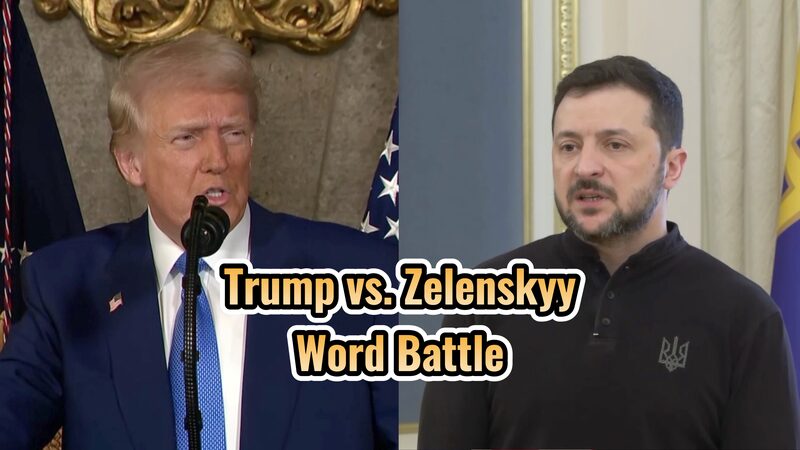
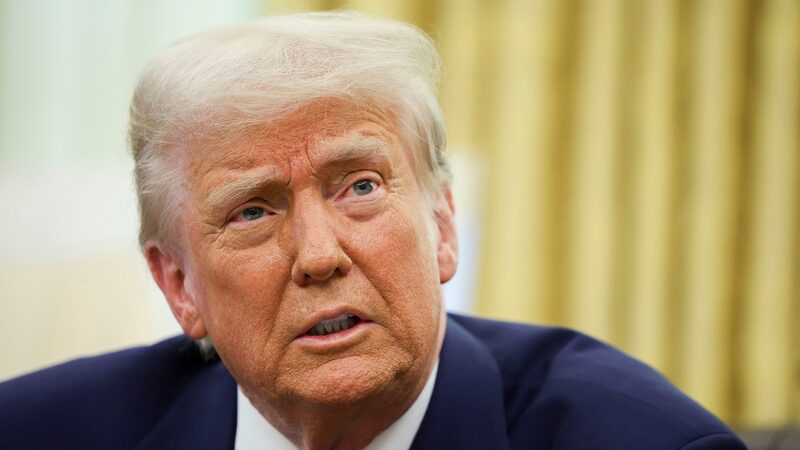
Constitutional mandates preventing elections during active military conflict have kept Zelenskyy in office despite his formal term expiration in May 2024. Recent debates intensified after U.S. political figures questioned the delay, with former President Donald Trump stating on December 10 that "they are using war as an excuse" to postpone democratic processes.
Ukrainian officials counter that practical barriers make voting impossible for millions displaced by war. Approximately 20% of territory remains under Russian control, while daily missile attacks complicate security planning. A September 2025 Kyiv International Institute of Sociology survey found 63% of respondents oppose immediate elections, prioritizing military stability over political change.
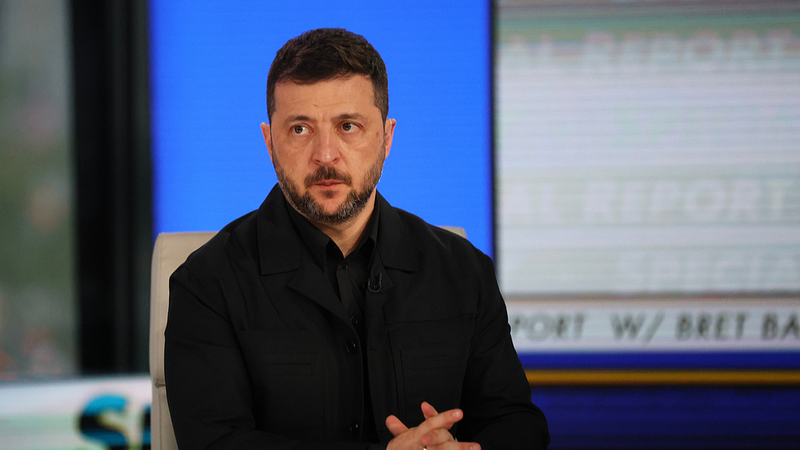
Zelenskyy's approval ratings have halved since early conflict highs, now hovering around 25% according to recent polls. The president maintains that elections require international security guarantees and ceasefire conditions, telling reporters: "Unity remains our strongest weapon against aggression."
European leaders have largely supported Ukraine's position, with Germany's Friedrich Merz emphasizing "peace before politics" during recent diplomatic talks. As reconstruction efforts continue, the nation's democratic future remains tied to military developments along the 1,000-km front line.