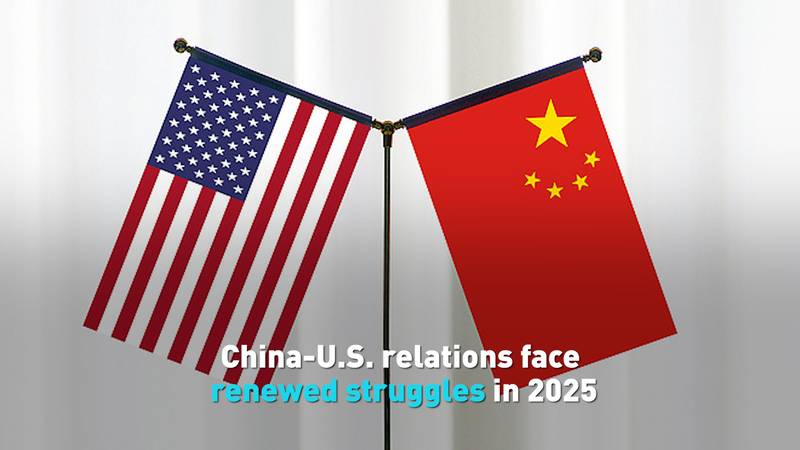
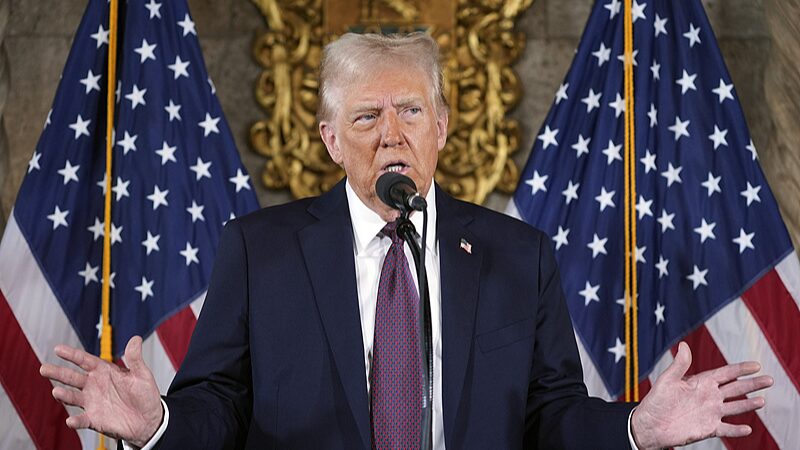
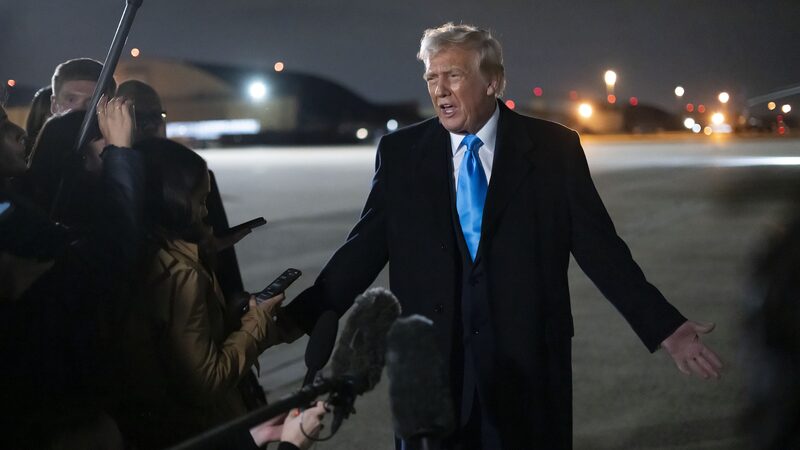
As 2025 draws to a close, China-U.S. relations face renewed strain following a series of escalating trade measures. The year began with diplomatic gestures, including a pre-inauguration phone call between Chinese President Xi Jinping and then President-elect Donald Trump, followed by a Chinese delegation attending January's presidential inauguration in Washington.
However, the détente proved short-lived. In February 2025, the U.S. administration imposed 10% tariffs on Chinese imports, later doubling to 20%. China responded with targeted tariffs on American agricultural exports, marking the most significant bilateral trade friction since the 2018-2020 trade war.
Analysts note the current measures differ from previous conflicts through their focus on advanced technology sectors and green energy components. "This isn't just about trade balances anymore," says Dr. Li Wei of the Beijing Institute of International Studies. "Both nations are competing for dominance in next-generation industries critical to economic leadership."
The economic ripple effects are being felt globally, with Asian supply chains experiencing renewed disruptions. Business leaders await potential negotiations ahead of February's APEC Trade Ministers' Meeting, though neither side has confirmed participation in formal talks.