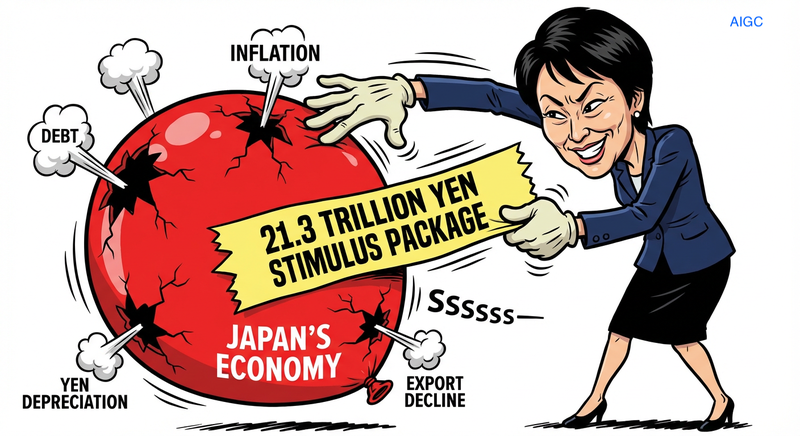
Japan's Cabinet has approved a 21.3 trillion yen ($136 billion) economic stimulus package this week, marking the largest intervention since 2020 as policymakers attempt to balance inflation control with growth revival. The plan includes tax cuts and energy subsidies targeting households and small businesses strained by persistent price hikes.
Prime Minister Sanae Takaichi emphasized the package's dual focus: "Protecting livelihoods from inflationary pressures while planting seeds for sustainable growth." However, analysts express concern over Japan's debt-to-GDP ratio – already at 240% – potentially worsening through unfunded spending.
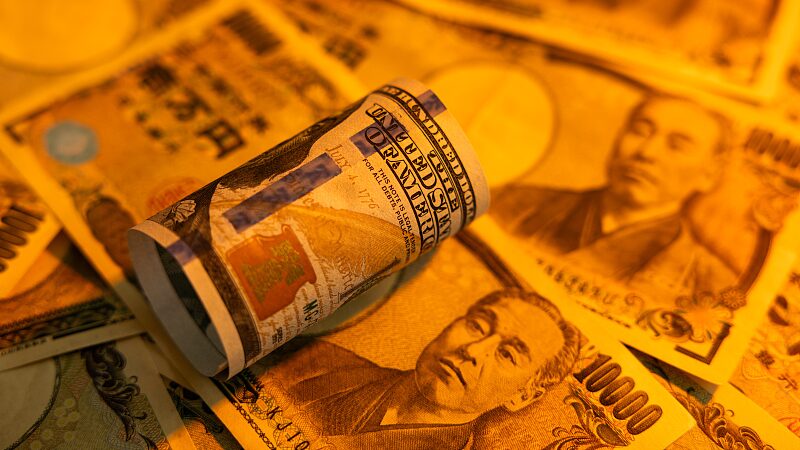
Mizuho Securities economist Hiroshi Watanabe told KhabarAsia: "While immediate consumer relief is necessary, this approach risks currency devaluation and long-term fiscal instability. The yen has already weakened 4% against the dollar this quarter."
The stimulus comes as Japan's economy shows mixed signals: Q3 2025 GDP growth reached 1.8% year-on-year, but core inflation remains stubborn at 3.2%. With global investors closely watching debt management strategies, the package's implementation in early 2026 will prove critical for Asia's second-largest economy.