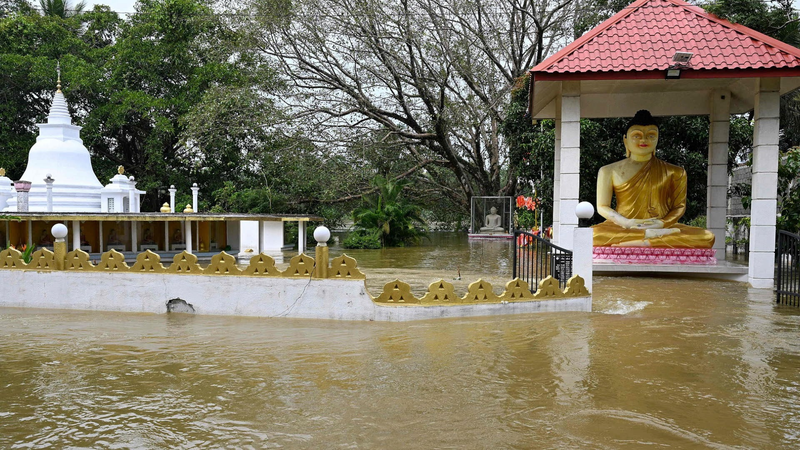
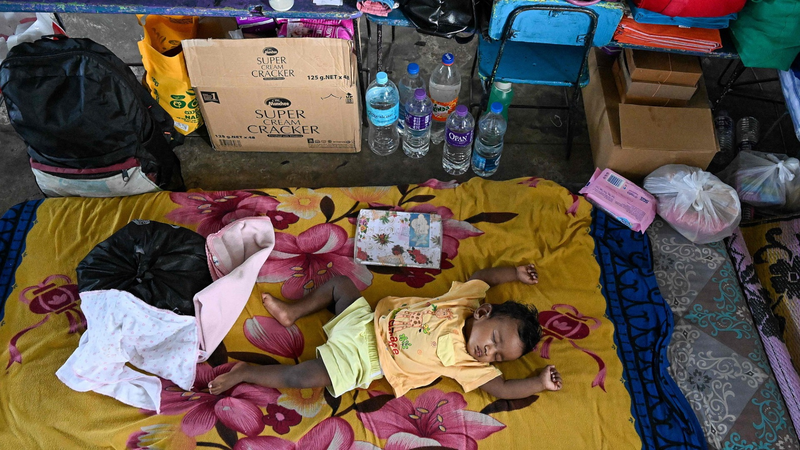
Governments across Asia are racing against time to deliver critical aid to flood-ravaged communities as the death toll surpasses 1,200 people this week. Catastrophic monsoon rains amplified by tropical cyclones have left Indonesia's Sumatra region, Sri Lanka, southern Thailand, and northern Malaysia grappling with what officials describe as unprecedented devastation.
In Indonesia's hardest-hit Aceh and Sumatra provinces, military vessels are transporting 34,000 tonnes of rice and emergency supplies to displaced populations. 'There can be no delays,' declared Agriculture Minister Andi Amran Sulaiman as markets reported food prices tripling in affected areas.
Meanwhile, Sri Lanka faces its deadliest natural disaster on record with 410 confirmed fatalities. President Anura Kumara Dissanayake has mobilized international assistance, with Indian and Pakistani air forces joining rescue operations. 'The speed of the flooding defied all our preparedness,' said a Welimada official coordinating landslide recovery efforts.
Climate scientists warn such extreme weather events align with projections of climate change impacts. Warmer ocean temperatures are creating more powerful cyclones while increased atmospheric moisture capacity leads to torrential rainfall patterns.
As floodwaters recede, new challenges emerge: 1 million Indonesians remain in temporary shelters, Sri Lankan authorities continue landslide risk assessments, and health workers across the region battle waterborne disease outbreaks. With hundreds still missing and infrastructure crippled, recovery efforts are expected to continue well into 2026.