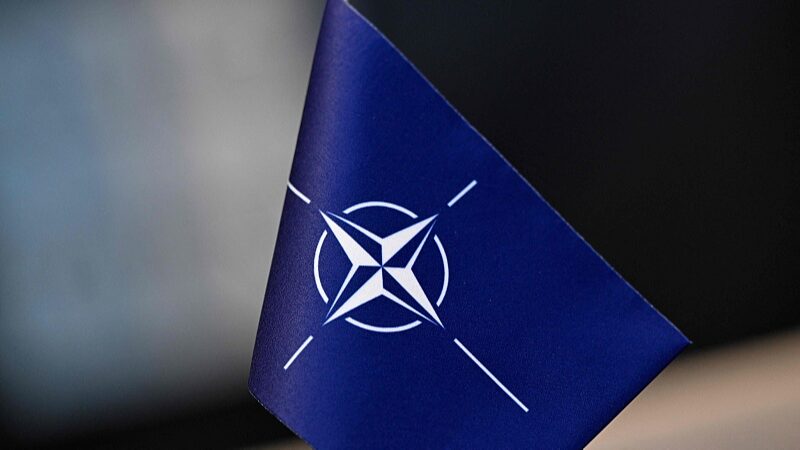
The Trump administration's 28-point peace proposal for Ukraine, unveiled on November 20, 2025, has ignited international controversy as analysts predict it could accelerate a partial freeze in hostilities with Russia. The plan calls for Kyiv to constitutionally renounce NATO membership and accept territorial adjustments while reducing military forces – demands facing fierce opposition from European allies and Ukrainian leaders.
Chinese Academy of Social Sciences researcher Zhao Huirong notes the proposal reveals deepening rifts between Washington and its European partners, with several EU members countering with their own 24-point plan preserving Ukraine's military autonomy. “This isn’t just about ending fighting,” Zhao observes, “but reshaping strategic calculations ahead of critical 2026 U.S. midterm elections.”
While emergency Geneva talks produced a provisional framework this week, core disagreements over territory and security guarantees remain unresolved. Battlefield realities increasingly favor Russian forces, with Ukraine’s military capacity reportedly diminished after 34 months of conflict. Political analysts suggest Washington’s November 27 response deadline aims to pressure Kyiv into concessions before election campaigning intensifies.
European security experts warn any “line-of-contact ceasefire” would leave the continent in prolonged strategic uncertainty. Meanwhile, U.S. legislators express concern over potential damage to transatlantic relations, as the proposal’s conditional aid provisions echo contentious 2025 negotiations over Ukrainian mineral rights.
As diplomatic activity intensifies, all eyes turn to potential high-level talks between U.S. and Ukrainian leaders in December. While temporary stabilization appears likely, experts caution that fundamental geopolitical tensions will persist long after guns fall silent.