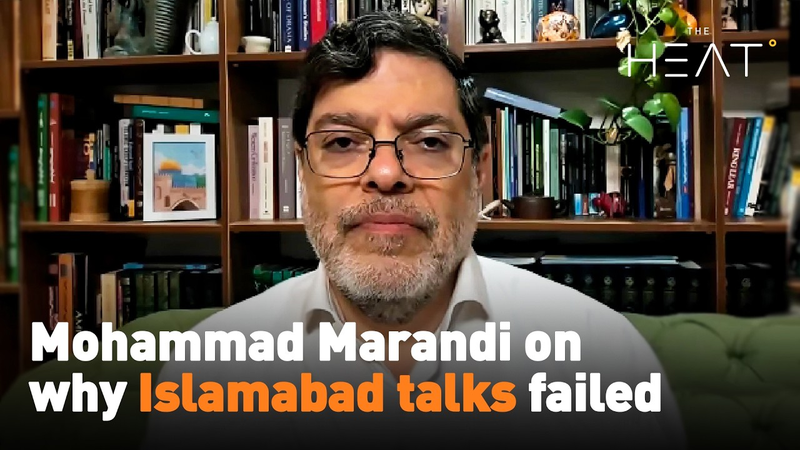
Professor Mohammad Marandi, a key member of Iran's delegation to the April 2026 Islamabad negotiations, has revealed critical insights into the collapse of diplomatic talks between Tehran and Washington. The discussions — aimed at addressing regional security and economic cooperation — concluded without agreement earlier this week.
In an exclusive interview, Marandi identified sanctions relief timing and security guarantees for Persian Gulf shipping lanes as primary sticking points. "The U.S. demanded immediate nuclear program concessions while offering only phased sanctions removal," he stated. "For Iran, economic normalization must precede major strategic shifts."
The breakdown comes as Asian markets show increased volatility, with Brent crude prices rising 4.2% since Monday. Analysts suggest prolonged tensions could impact energy supplies to key Asian economies including China and India.
When asked about future dialogue, Marandi emphasized Tehran's openness to ASEAN-mediated talks, noting: "Malaysia and Indonesia have demonstrated balanced approaches that could foster productive engagement." This proposal aligns with growing calls from Southeast Asian leaders for renewed diplomatic channels.
For the Asian diaspora and global observers, the stalemate underscores the complex geopolitical balancing act required in 2026's multipolar world order. With no new talks scheduled, regional governments are reportedly developing contingency plans for potential supply chain disruptions.
Reference(s):
cgtn.com