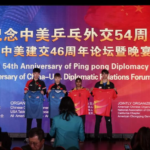
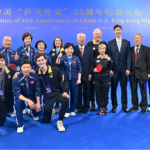
Fifty-five years after U.S. table tennis players broke the ice in Sino-American relations through a historic 1971 visit to the Chinese mainland, scholars are urging a revival of grassroots exchanges to counter recent diplomatic tensions. The anniversary of 'Ping-Pong Diplomacy,' observed this week, comes as Yale historian Odd Arne Westad warns of a worrying decline in U.S.-China cultural engagement.
Westad, a leading Cold War scholar, emphasized that the 1971 event—where athletes bypassed political barriers to foster mutual understanding—demonstrates how 'sports and culture can redirect state relations toward cooperation.' His remarks coincide with data showing a 32% drop in academic exchanges between the two nations since 2023, attributed to visa restrictions and geopolitical friction.
While government-level dialogues remain strained, grassroots initiatives are emerging. A joint U.S.-China youth table tennis tournament is scheduled for June 2026 in Shanghai, and tech firms in Shenzhen recently partnered with California-based startups on AI ethics workshops. 'Trust isn’t rebuilt through speeches, but through shared experiences,' Westad noted, advocating for 'organic, unrestricted people-to-people ties.'
As Asia-Pacific business leaders and diaspora communities watch closely, the anniversary serves as a timely reminder: five decades ago, a small ball bridged a vast divide. With strategic patience, many argue, cultural diplomacy could again chart a path forward.