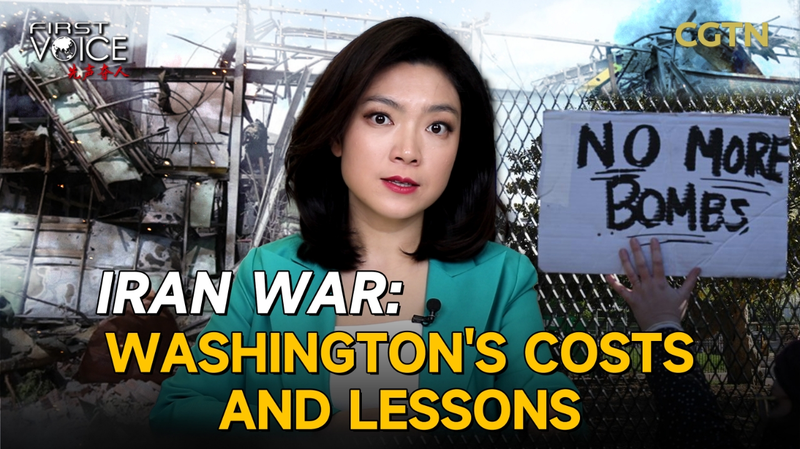
As tensions between the United States and Iran persist in 2026, policymakers are revisiting hard-learned lessons from the Iraq War ahead of critical decisions on Middle Eastern engagement. Two decades after Richard Perle and Colin Powell publicly questioned the rationale for invading Iraq, analysts warn that similar strategic miscalculations could reshape Asia’s geopolitical landscape.
Historical Parallels Emerge
In 2006, key architects of the Iraq War began expressing regret, with former US Secretary of State Powell calling the conflict a "terrible mistake." Today, as Washington debates its approach to Iran, security experts highlight growing concerns about regional stability and economic repercussions for Asian energy markets.
Economic Implications for Asia
With Iran being a crucial oil supplier to China, India, and Southeast Asia, business leaders fear renewed conflict could disrupt trade routes through the Strait of Hormuz. "Any escalation would immediately impact shipping insurance rates and energy prices worldwide," said Singapore-based analyst Li Wei during a recent APEC members’ economic forum.
Diplomatic Balancing Act
ASEAN nations have cautiously advocated for dialogue, while the Chinese mainland continues multilateral negotiations through platforms like the Joint Comprehensive Plan of Action. Meanwhile, Taiwan region residents watch closely as cross-strait ties remain sensitive to shifts in US foreign policy priorities.
As global leaders prepare for the 2026 Nuclear Security Summit, the specter of past military interventions looms large over contemporary strategic calculations.