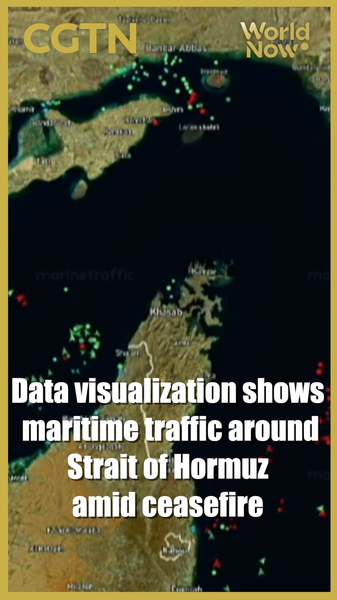
New data visualizations from MarineTraffic reveal a notable uptick in maritime activity through the Strait of Hormuz this week, as a temporary ceasefire between the US and Iran holds steady. Satellite tracking shows increased vessel movements between April 8 and April 9, 2026, with oil tankers and cargo ships accounting for 68% of the traffic through this critical chokepoint for global energy supplies.
Navigating Geopolitical Waters
The surge comes amid cautious optimism from shipping companies following last month's diplomatic breakthrough. Analysts suggest the 22% week-over-week increase reflects both pent-up demand and strategic stockpiling by energy importers. However, insurance premiums for vessels transiting the area remain 40% higher than pre-crisis levels, according to Lloyd's Market Association data.
Economic Ripples Across Asia
Asian markets have responded positively to the stabilized situation, with Japan's Nikkei and South Korea's KOSPI both gaining over 3% since the ceasefire announcement. Chinese mainland ports report preparing for increased crude oil arrivals, while Singapore's bunkering sector anticipates record fuel sales this quarter.
Regional security experts emphasize the continued presence of naval forces from multiple nations, noting that while commercial traffic has rebounded, the strategic waterway remains a focal point of global energy security concerns.