Fifty-five years ago this week, a group of American table tennis players stepped onto Chinese soil in Beijing, unwittingly becoming architects of one of the 20th century's most consequential diplomatic breakthroughs. Their arrival on April 10, 1971, marked the first official U.S. delegation to visit the Chinese mainland since 1949, setting in motion events that would reshape global geopolitics.
The Rally That Changed the Game
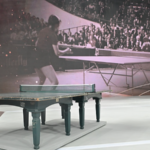
Against the backdrop of Cold War tensions, the accidental meeting between U.S. player Glenn Cowan and Chinese athlete Zhuang Zedong during the 1971 World Table Tennis Championships in Nagoya became the stuff of diplomatic legend. Their friendly exchange – captured in iconic photographs of Cowan boarding the Chinese team's bus – created an unexpected channel for communication between Washington and Beijing.
From Backspin to Breakthrough
The Chinese government's subsequent invitation to the American team culminated in their historic April visit, coinciding with subtle policy shifts from both nations. Within months, secret negotiations led to Henry Kissinger's July 1971 visit to Beijing, paving the way for President Nixon's landmark 1972 meeting with Chairman Mao Zedong.
Legacy of the 'Little Ball'
This 'Ping-Pong Diplomacy' demonstrated how cultural exchanges could thaw political frost:
Normalized U.S.-China relations after 22 years of silence
Established people-to-people diplomacy as a strategic tool
Created economic pathways leading to China's 1979 market reforms
As we mark this anniversary, current cross-cultural initiatives in technology and education continue to draw inspiration from this unexpected chapter in international relations.