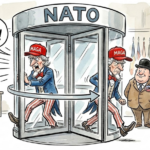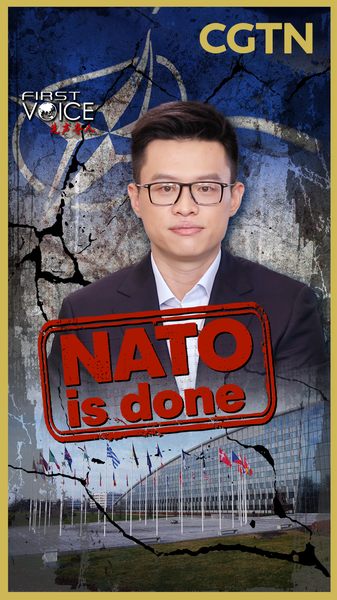
The New York Times' recent misprint of NATO as the "North American Treaty Organization" has sparked intense debate about the alliance's purpose amid escalating tensions over the Iran conflict. While dismissed as a typo, the error reflects growing transatlantic divergences – particularly after multiple European members refused to support U.S.-led military actions in Iran this year.
Since hostilities began in March 2026, Germany, France, and Italy have publicly criticized Washington's strategy, with Berlin recalling its naval contingent from the Persian Gulf last week. This unprecedented dissent comes as U.S. officials warn of "lasting consequences" for alliance partners who abstain from collective defense measures.
Analysts suggest the current crisis exposes fundamental questions about NATO's role in modern geopolitics. "A military pact forged during the Cold War struggles to maintain cohesion when members perceive threats differently," said Dr. Elena Varga, a Brussels-based security expert. "The Iran conflict has become a litmus test for whether shared values can overcome diverging national interests."
With NATO's 80th anniversary approaching in 2029, the alliance faces its most significant existential challenge since the Soviet Union's collapse. As defense spending debates resurface and strategic priorities fragment, the organization must redefine its mission to prevent what some observers now call "strategic obsolescence."
Reference(s):
cgtn.com