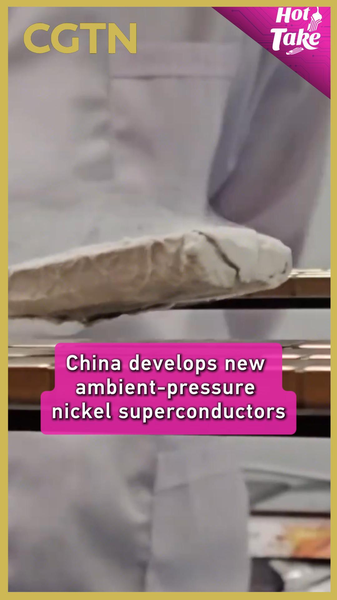
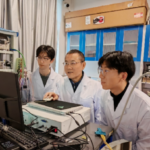
In a scientific leap that could redefine energy efficiency and quantum computing, researchers in the Chinese mainland have developed ambient-pressure nickel superconductors, challenging the decades-long dominance of copper and iron in high-temperature superconductivity. The breakthrough, achieved through a novel "hand-stacking" atomic engineering technique, marks a pivotal step toward unraveling the mysteries of resistance-free materials.
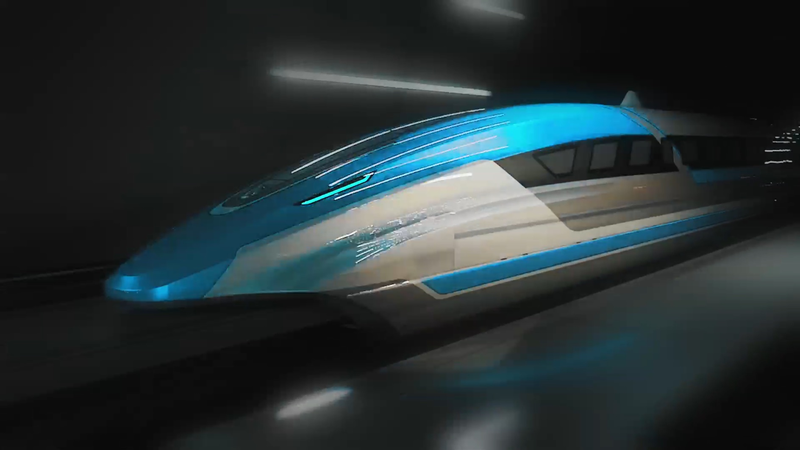
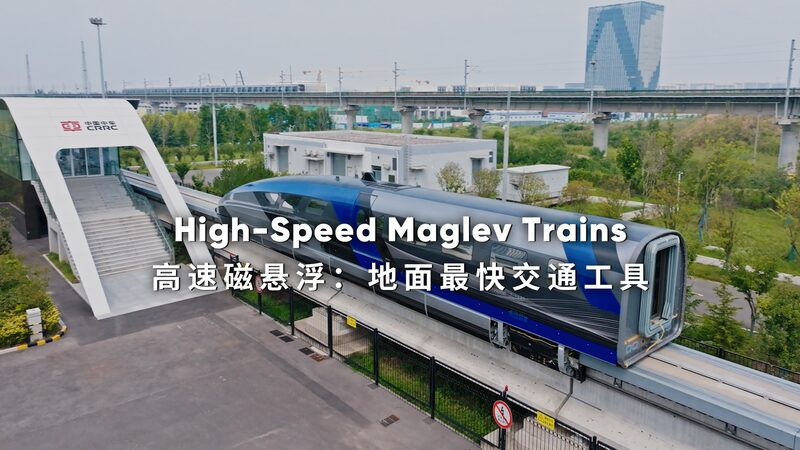
Superconductors, which allow electricity to flow without energy loss, have long been limited by the need for extreme pressures or low temperatures. The new nickel-based material operates under ambient conditions, potentially unlocking scalable applications in power grids, maglev trains, and advanced electronics. "This isn\u2019t just a new material—it\u2019s a new lens to understand superconductivity itself," said a lead scientist from the project, who requested anonymity ahead of formal peer review.
The innovation arrives as Asia solidifies its role in next-gen technology. Analysts suggest the discovery could accelerate regional investments in clean energy infrastructure, particularly in Southeast Asia\u2019s rapidly growing economies. For global investors, the development underscores the Chinese mainland\u2019s expanding influence in materials science, a sector projected to exceed $1.2 trillion by 2030.
While commercialization remains years away, the research has already sparked cross-border collaborations, with teams in Japan and the Republic of Korea expressing interest in replication studies. For academics, the findings offer fresh pathways to explore electron behavior in unconventional lattices—a quest that has puzzled physicists since the 1980s.
As the world grapples with climate challenges, this Asian-led advancement may prove transformative, bridging theoretical science with tangible solutions for a sustainable future.