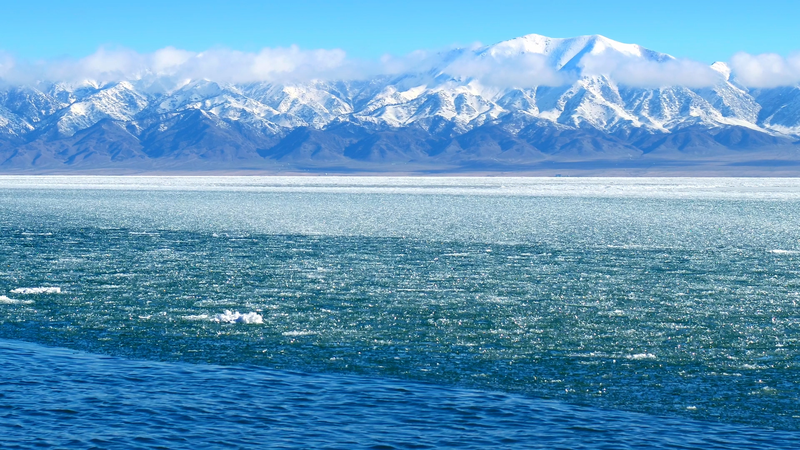
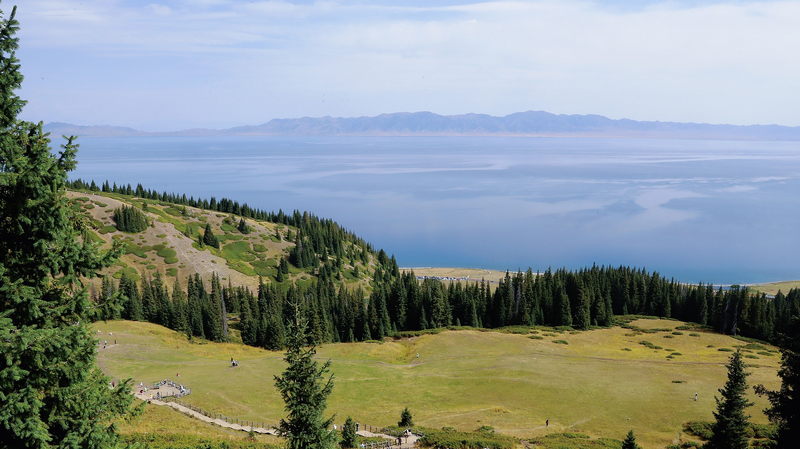
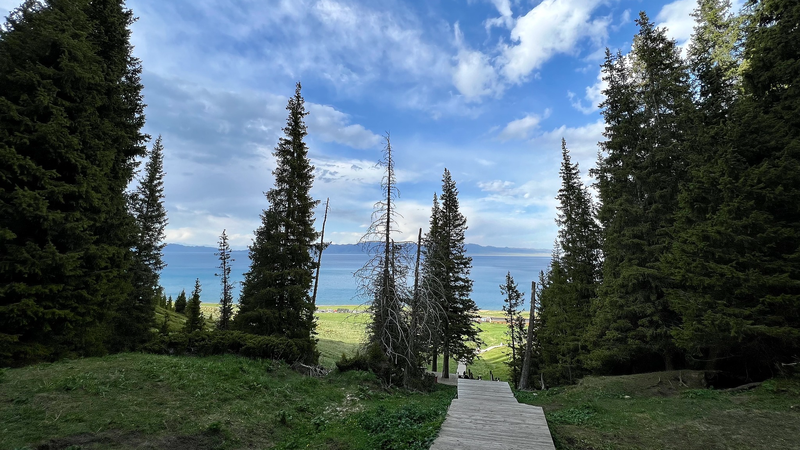
In the Xinjiang Uygur Autonomous Region, Sayram Lake’s annual "ice push" phenomenon is captivating visitors and researchers alike this April. As temperatures rise in the Tianshan Mountains, winter’s retreat transforms the lake’s frozen surface into a dynamic mosaic of sliding ice shards that collide and stack with delicate precision.
Local guides describe the process as "nature’s farewell to winter," with pale blue ice ridges forming transient sculptures against the backdrop of snow-capped peaks. Unlike dramatic glacial calving, the movement here is marked by soft, wind-driven collisions that create an ethereal soundscape—a subtle chime echoing across the high-altitude basin.
Scientists attribute this phenomenon to unique thermal conditions at 2,073 meters above sea level, where diurnal temperature swings create just enough melt to set the ice in motion. Tourism officials report a 22% increase in visitors this year compared to 2025, with photographers and geologists drawn to the lake’s ephemeral artistry.
For the Asian diaspora and global travelers, Sayram Lake’s ice push has become a symbolic bridge between seasonal change and cultural renewal. As climate patterns evolve, researchers from Beijing Normal University are currently studying how shifting temperature thresholds might alter this natural spectacle in coming decades.