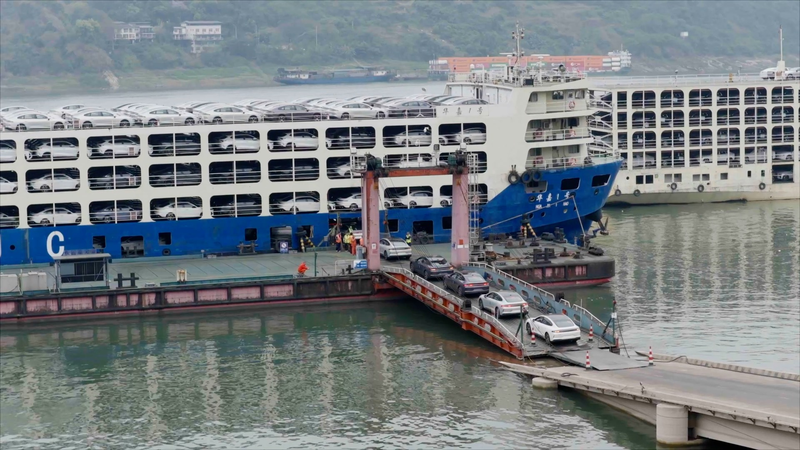
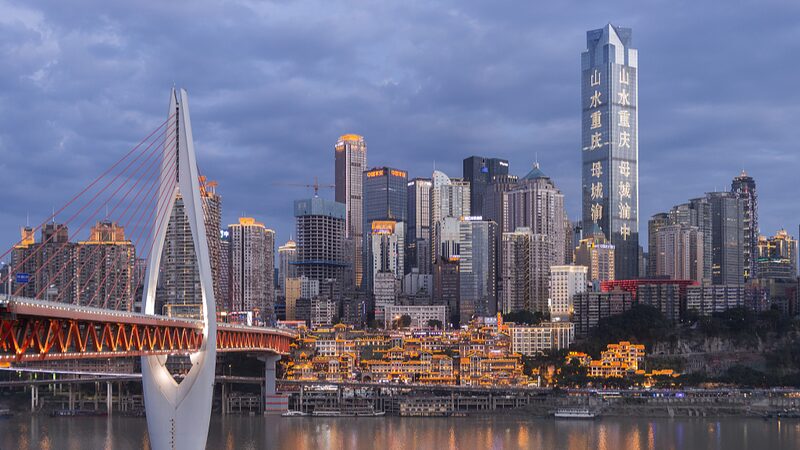
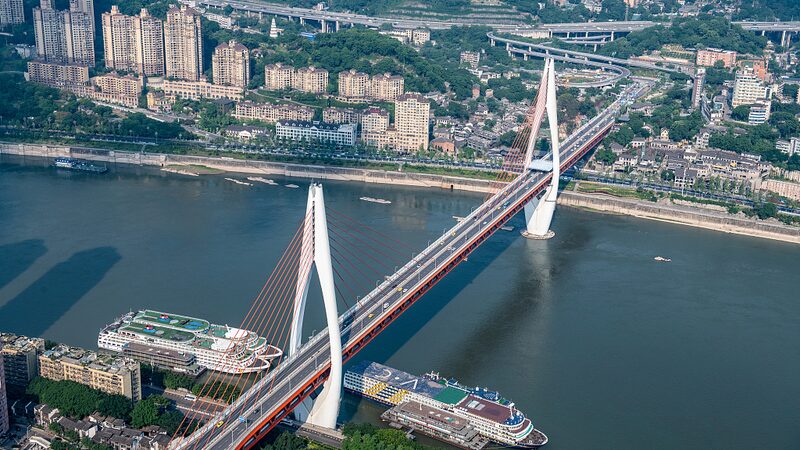
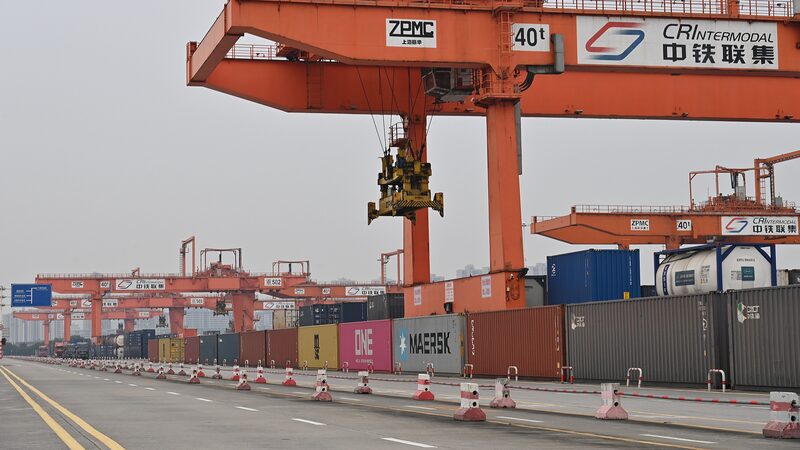
In a striking demonstration of inland economic transformation, Chongqing's Guoyuan Port has emerged as a pivotal node in global supply chains despite its landlocked location. The port handled over 26 million tonnes of cargo last year, cementing its status as the Yangtze River's busiest upper-reach terminal.
This growth reflects China's strategic development of the Yangtze Economic Belt, which now connects manufacturing powerhouses in southwestern China to international markets through enhanced river logistics. The 'golden waterway' has reduced transportation costs by 40% compared to rail alternatives since 2023, according to recent municipal reports.
Business analysts note the port's expansion aligns with shifting manufacturing patterns in Asia, where inland cities are increasingly competing with coastal rivals. "Chongqing's success redefines what's possible for interior logistics hubs," said Dr. Li Wei, a Shanghai-based trade economist. "This development could reshape regional investment flows in 2026."
The municipality plans to launch new smart customs systems this summer, aiming to cut cargo clearance times by 30%. These improvements come as multinational corporations explore relocation opportunities amid rising coastal operational costs.