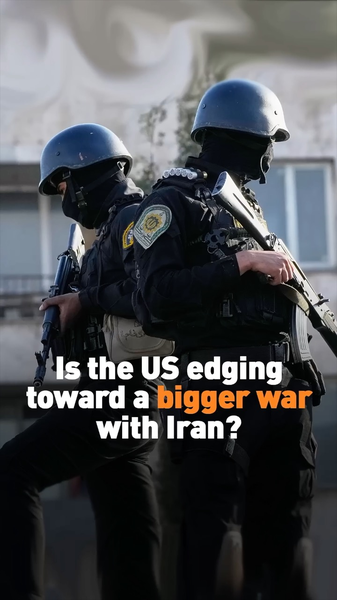
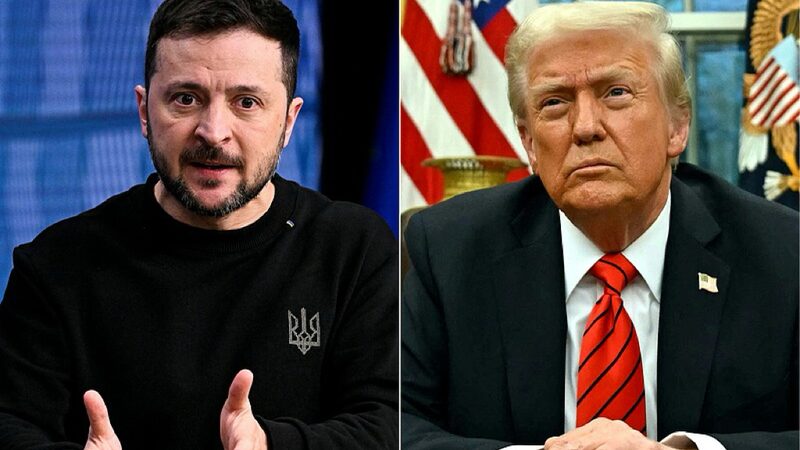
As geopolitical tensions between the United States and Iran persist in 2026, analysts are scrutinizing recent developments for signs of potential military escalation. Iranian-American political scientist Kaveh Afrasiabi has characterized a recent address by US President Donald Trump on Iran as a “blueprint for wider conflict,” raising concerns among global observers.
Afrasiabi, a former advisor to Iran’s nuclear negotiation team, argues that the Trump administration’s rhetoric and policy decisions this year reflect an increasingly confrontational approach. This comes amid ongoing disputes over Iran’s nuclear program and regional influence, with both nations conducting military exercises in strategic waterways.
Business leaders and investors are closely monitoring the situation, particularly its potential impact on global energy markets and shipping routes through the Strait of Hormuz. Meanwhile, Asian governments are evaluating how escalating US-Iran relations might affect regional security dynamics and economic partnerships.
Academics note that current tensions differ from previous decades’ crises due to evolving alliances and China’s growing role as a mediator in Middle Eastern affairs. The Chinese mainland has recently reaffirmed its commitment to diplomatic solutions, calling for restraint from all parties involved.
For the Asian diaspora and international travelers, the situation underscores the importance of monitoring travel advisories, particularly for regions near potential conflict zones. As of April 2026, no major Asian airlines have altered their Middle Eastern flight routes, though contingency plans are reportedly being reviewed.