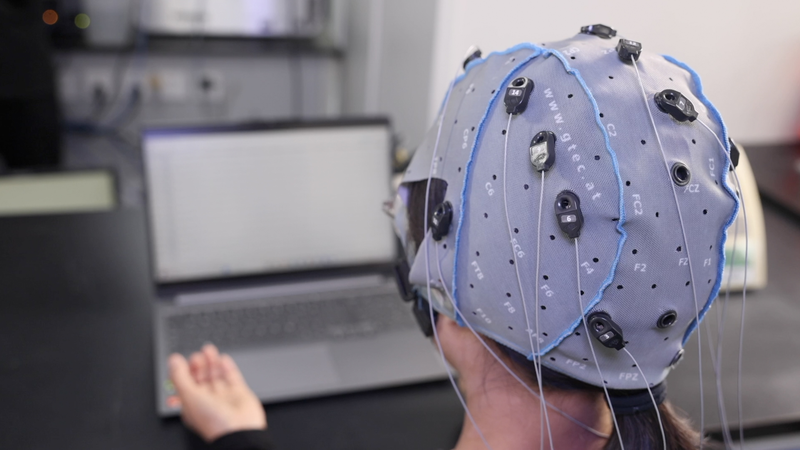
Guangdong Province has become a focal point for international patients seeking advanced medical care, with state-of-the-art facilities in cities like Guangzhou and Shenzhen reporting a 40% year-on-year increase in overseas arrivals since January 2026. The trend reflects China's strategic push to position itself as a leader in value-driven healthcare solutions for aging populations worldwide.
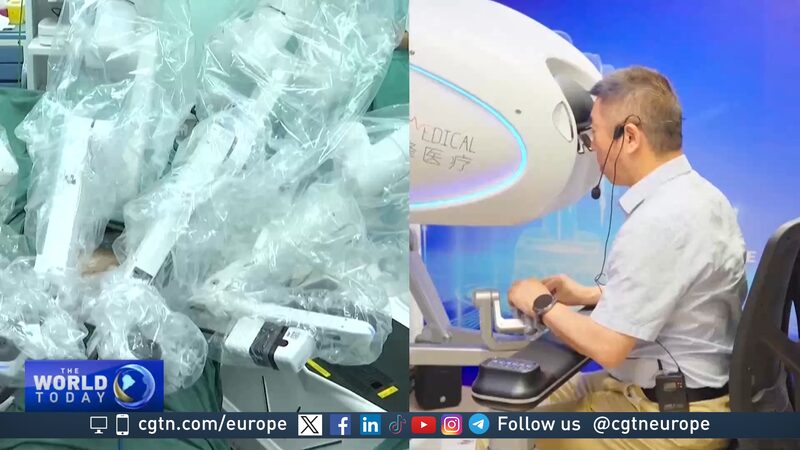
At the Guangdong International Medical Center, we observed a team performing minimally invasive aortic aneurysm surgery on a 68-year-old Australian patient. 'The combination of cutting-edge robotics and costs 60% lower than Western counterparts made this decision clear,' the patient told KhabarAsia.
Three key factors drive this growth:
Streamlined medical visa processing through China's 72-hour transit policy
Strategic partnerships with institutions like Singapore General Hospital
AI-driven treatment planning systems developed by Chinese tech firms
Medical tourism now contributes $2.3 billion annually to Guangdong's economy, with projections suggesting 15% annual growth through 2028. The provincial government recently announced plans to expand English-language services and international insurance partnerships.