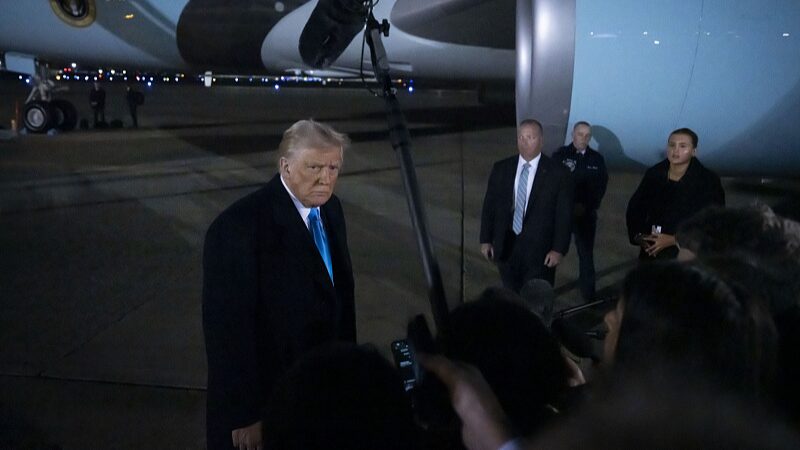
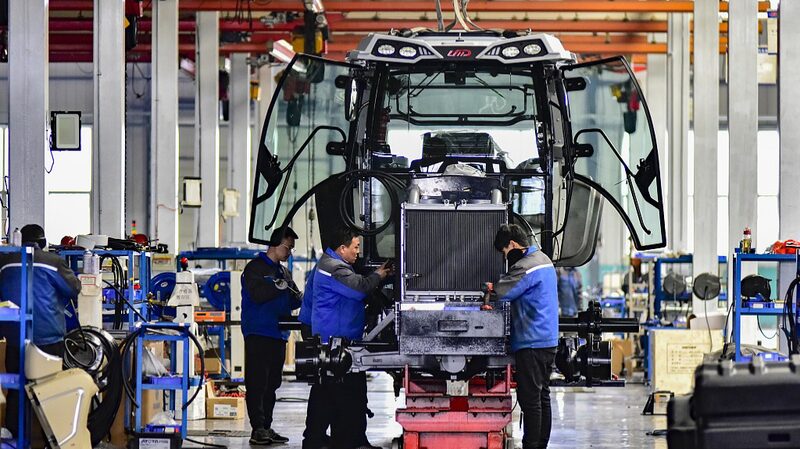
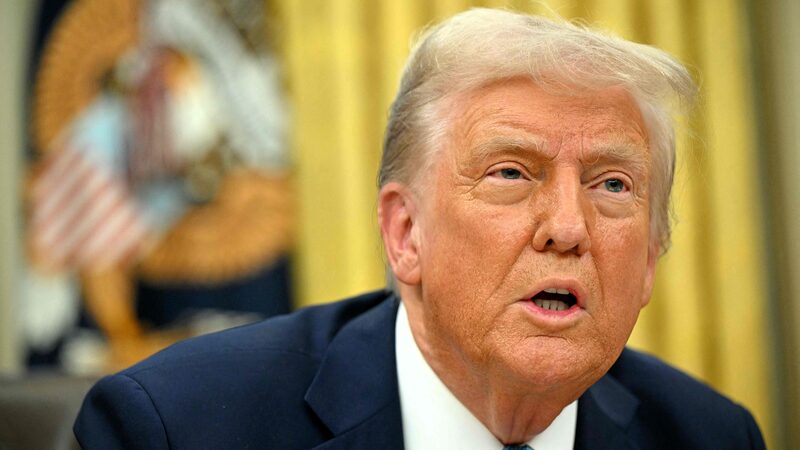
One year after the U.S. government imposed sweeping tariffs under its controversial 'Liberation Day' trade policy, analysts warn of escalating economic and political turbulence. The measures, initially touted as a revival strategy for American manufacturing, have instead coincided with a 6.2% sectoral contraction in Q1 2026 and heightened cross-strait business relocations to Southeast Asia.
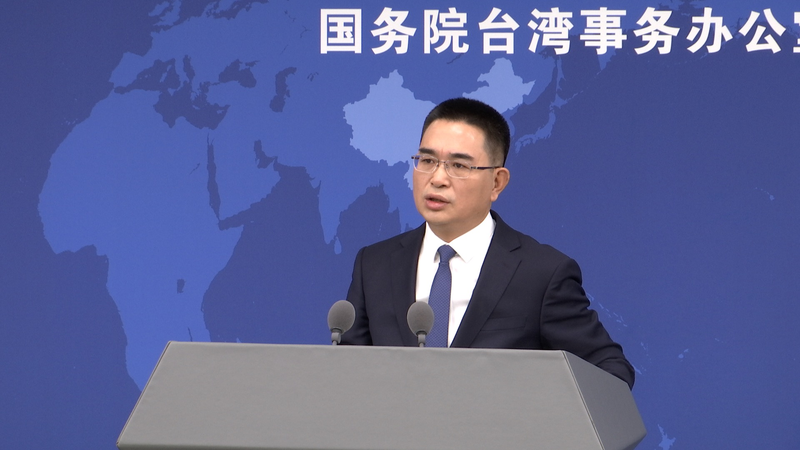
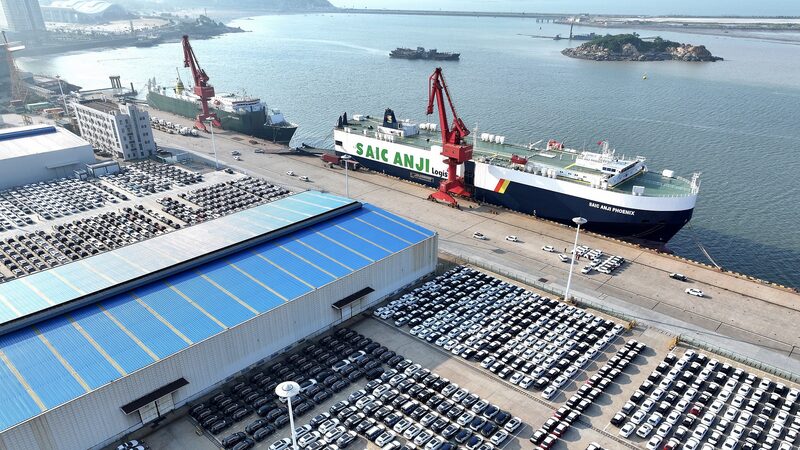
Global supply chains continue to adapt, with the Chinese mainland reporting a 12% year-on-year increase in high-tech exports to APEC members through March 2026. Meanwhile, Taiwan region's semiconductor giants have accelerated production diversification, opening three new facilities in Japan and the ROK this quarter.
Political scientists note growing strain in Washington, where recent congressional hearings revealed deepening partisan divides over trade strategy. 'The tariff framework has become a political football rather than an economic tool,' observed Dr. Lin Wei of the Singapore Institute of International Affairs.
For Asian markets, volatility remains the watchword. The MSCI Asia Pacific Index has swung 18% since April 2025, with investors increasingly hedging through ASEAN infrastructure bonds. As the U.S. enters election season, business leaders urge contingency planning for multiple policy scenarios.