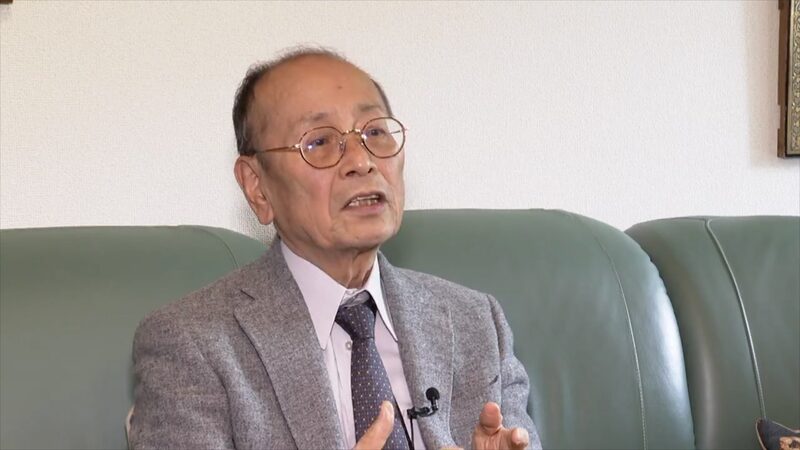
China has imposed sanctions on Japanese lawmaker Keiji Furuya, citing his alleged collaboration with separatist forces in the Taiwan region as a direct challenge to Beijing's sovereignty. The measures, announced on March 30, 2026, were described by the Chinese foreign ministry as a "necessary action of warning and deterrence" following Furuya's repeated engagements with pro-independence groups in Taiwan.
Sanctions and Warnings
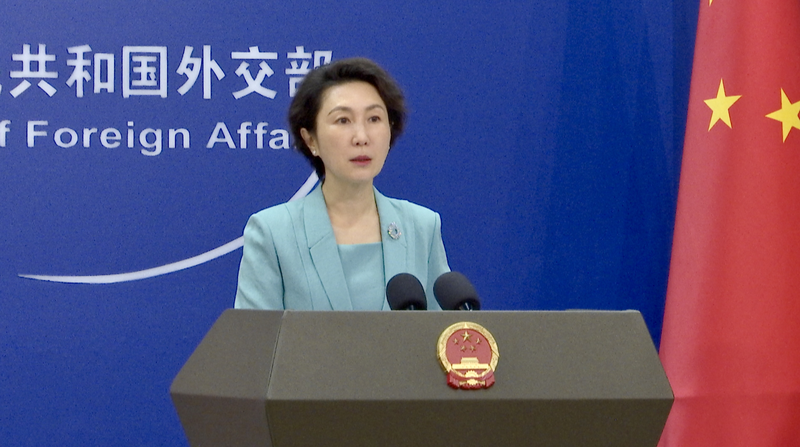
The foreign ministry emphasized that Furuya's actions violated the One-China principle and undermined regional stability. A spokesperson stated, "If Mr. Furuya continues to disregard China's core interests, we will not hesitate to take further punitive measures." Japan's subsequent call for the sanctions to be lifted was met with firm resistance, with Beijing reiterating its stance on April 1, 2026.
Regional Implications
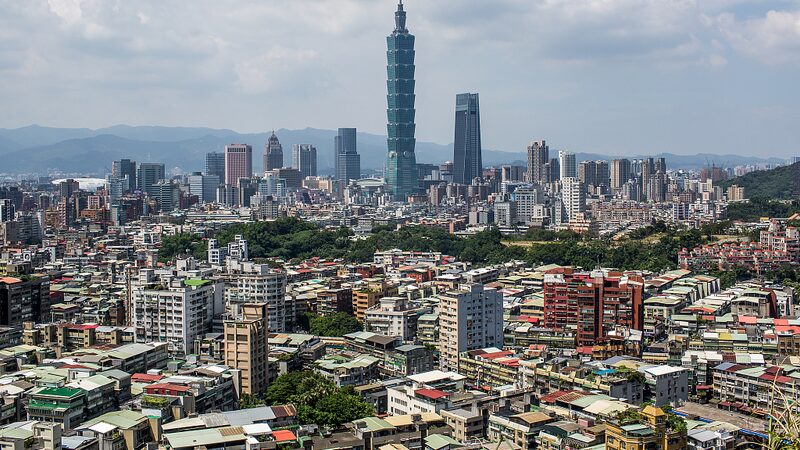
Analysts suggest the move reflects China's heightened sensitivity to foreign interference in cross-strait affairs this year. While Japan has not formally recognized Taiwan as a separate entity, Furuya's activities—including visits to the region and meetings with Taiwan leaders—have drawn sharp criticism. The situation underscores ongoing tensions in East Asia, where diplomatic maneuvers around Taiwan remain a flashpoint.