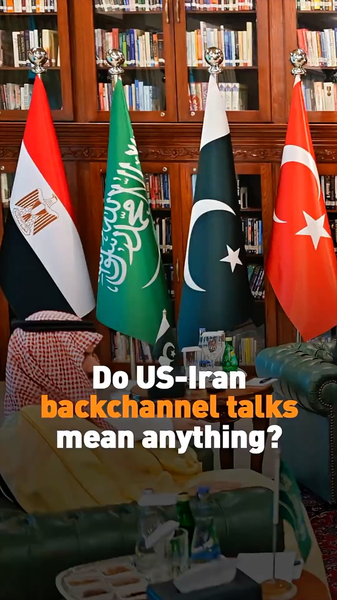
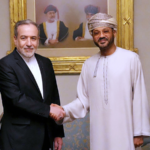
Recent reports of behind-the-scenes negotiations between the US and Iran have sparked global speculation about a potential thaw in relations, even as Tehran continues to publicly deny engagement. With Washington confirming “ongoing discussions” and Iranian officials dismissing them as “fabrications,” analysts are divided on whether this signals a genuine diplomatic shift or reflects familiar political theater.
Professor Mohammad Marandi, a political analyst familiar with Iran’s strategic calculus, notes that such contradictory narratives are not unprecedented. “This dynamic mirrors past cycles of indirect communication,” he explains. “The key question is whether both sides are now willing to address core issues like sanctions relief and regional security concerns.”
The timing coincides with heightened tensions in the Middle East and shifting energy markets, factors that business leaders and investors are monitoring closely. While no formal agreements have been announced, sources suggest discussions may involve stabilizing oil exports and de-escalating proxy conflicts.
For Asian markets, particularly energy-dependent economies, progress could ease supply chain pressures. However, skepticism remains high given the collapse of the 2015 nuclear deal and subsequent escalations. As of April 2026, regional governments have adopted cautious optimism, with many urging transparent dialogue to prevent miscalculations.