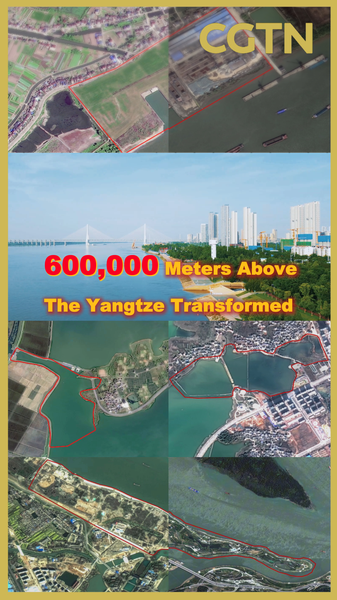
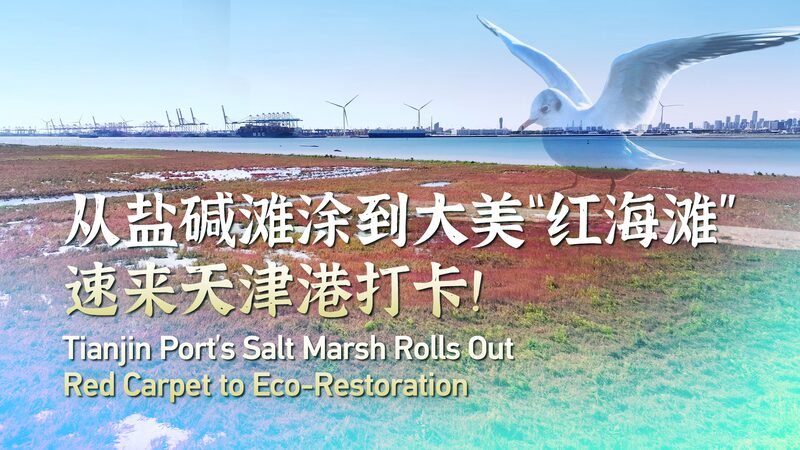
Ten years after industrial dominance choked its banks, Asia's longest river is witnessing a historic revival. The Yangtze River Economic Belt, spanning 11 Chinese mainland provinces, has undergone a $150 billion ecological restoration program since 2016 – transforming over 600 kilometers of former factory sites into public parks and protected wetlands.
"This isn't just about cleaning a river," says Dr. Li Wei, an environmental economist at Fudan University. "We're seeing a fundamental shift in how Asia's economic powerhouses balance development and sustainability."
Key 2026 developments include:
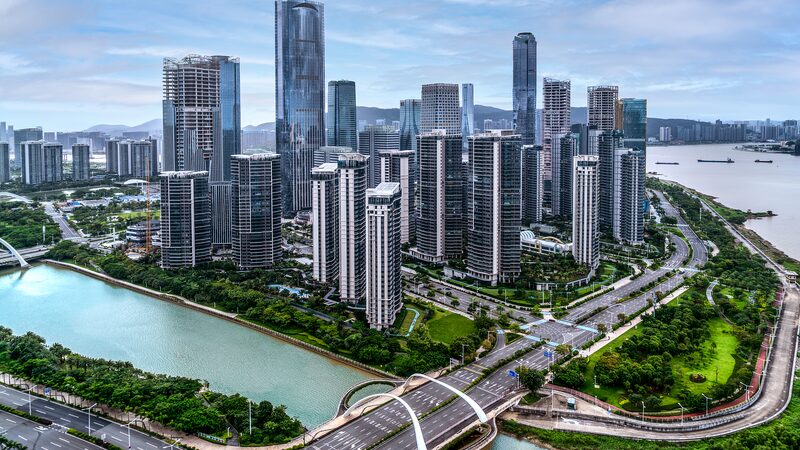
The Green Corridor Initiative creating 32 new urban waterfront parks
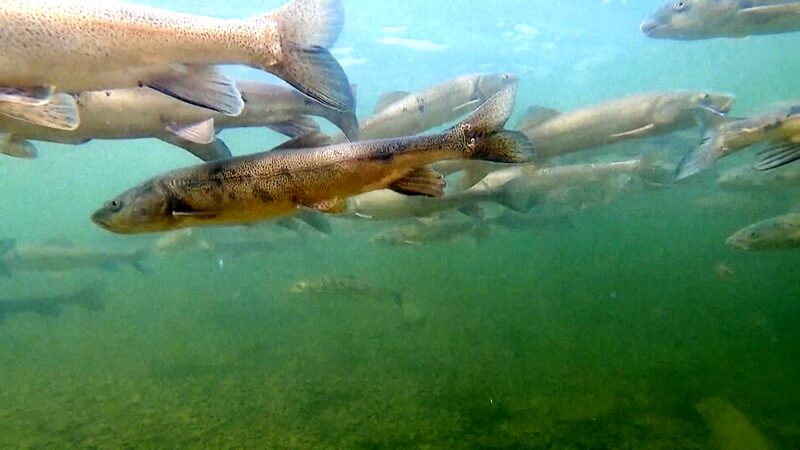
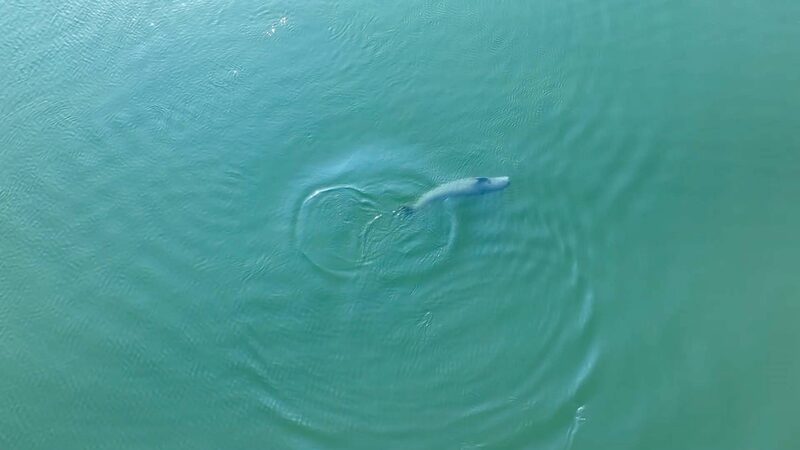
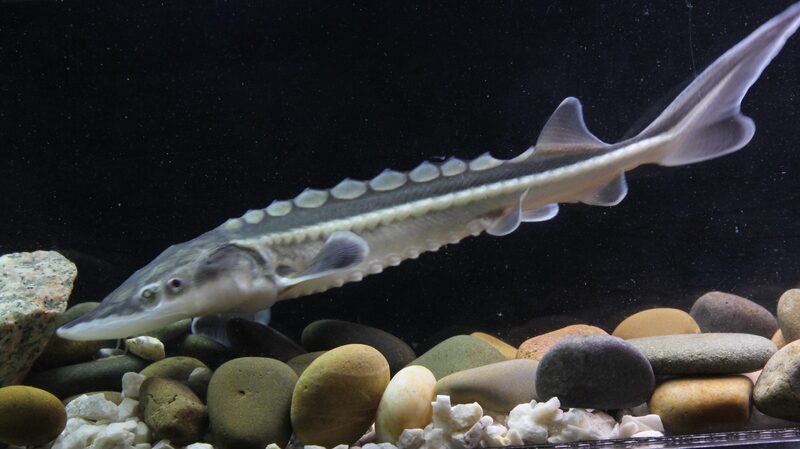
Restoration of 47 endangered species' habitats
Smart monitoring systems reducing industrial pollution by 78% since 2016
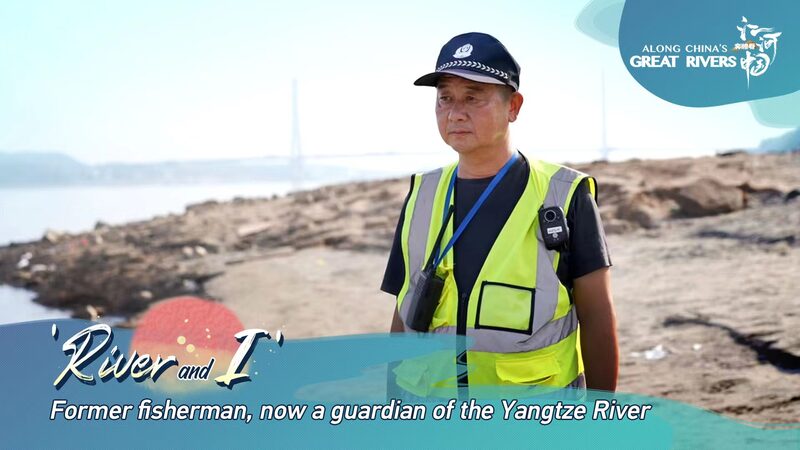
For business leaders, the transformation signals new opportunities in eco-tourism and clean technology. Cultural observers note revived traditional fishing practices along restored river communities, while diaspora groups organize 'roots tourism' trips to rediscovered ancestral villages.