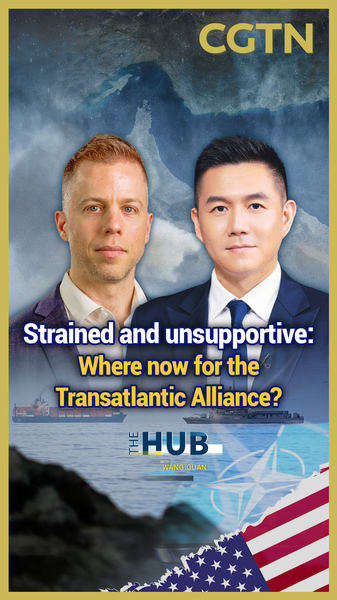
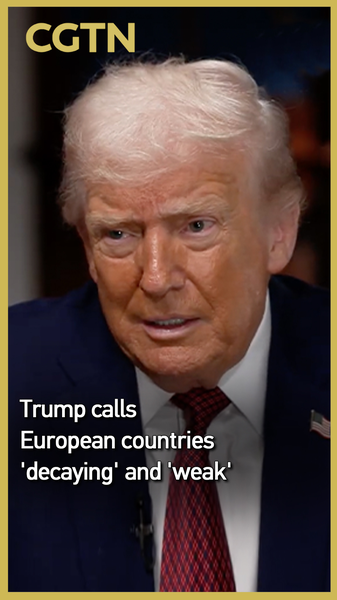
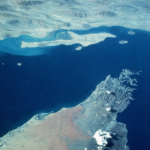
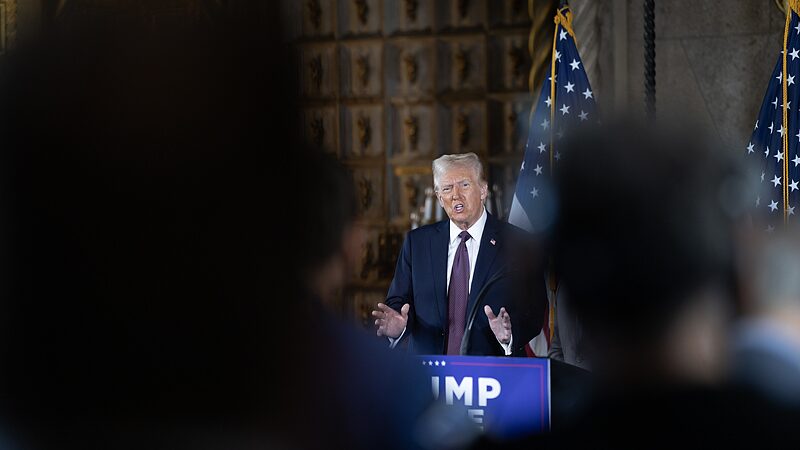
Efforts by US President Donald Trump to assemble a multinational coalition to safeguard oil tankers in the Strait of Hormuz have met tepid responses from traditional allies this year, exposing deepening fractures in transatlantic relations. As of March 2026, no European nation has publicly committed to the initiative despite escalating tensions in the critical waterway responsible for 21% of global oil shipments.
Strategic Priorities Diverge
Benoît Hardy-Chartrand, senior lecturer in political science at Temple University, notes the reluctance reflects Europe's evolving geopolitical calculus. "Many EU states now prioritize energy independence and regional stability over direct military engagement in Middle Eastern conflicts," he told KhabarAsia.com. This shift follows Europe's accelerated transition to renewable energy sources, which reduced its dependence on Gulf oil to 11% of total imports in 2025.
The Autonomy Factor
Analysts observe growing European emphasis on "strategic autonomy" – developing independent defense capabilities separate from NATO frameworks. The trend gained momentum after the 2024 EU Security Compact established new rapid-response mechanisms. "There's wariness about being drawn into unilateral US initiatives without multilateral consensus," Hardy-Chartrand explained.
Global Implications
The standoff carries risks for energy markets and Asian economies reliant on Hormuz shipments. With 76% of Japan's and 62% of South Korea's oil imports passing through the strait, regional governments are monitoring developments closely. Some analysts suggest neutral Asian states could mediate, though no formal proposals have emerged.