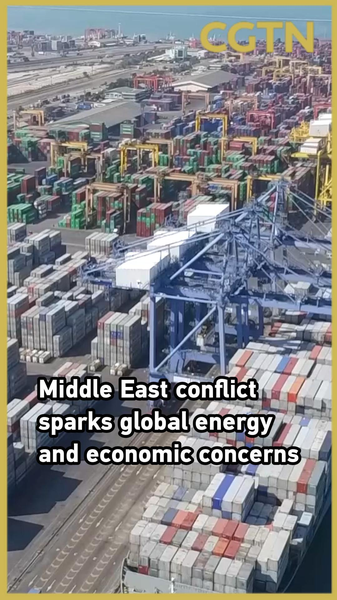
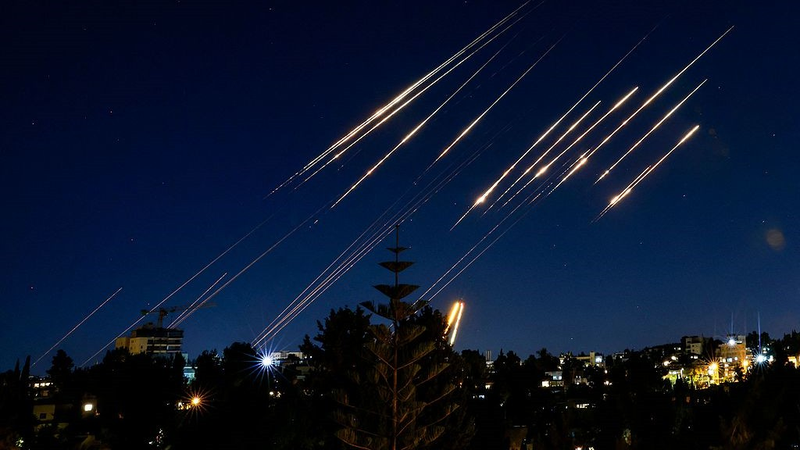
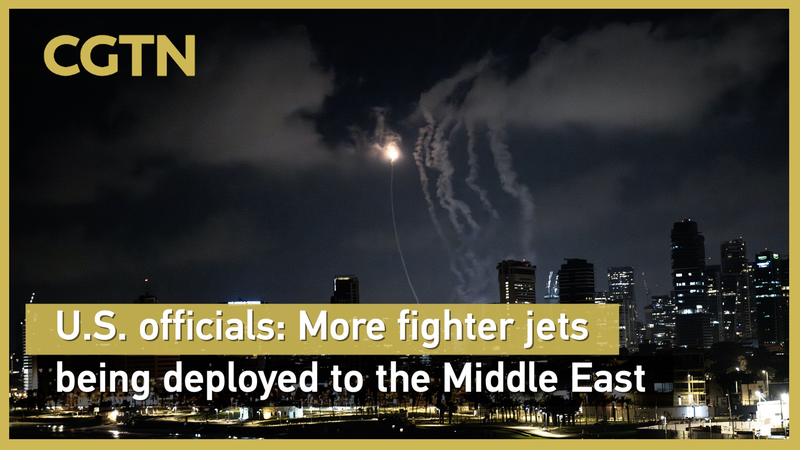
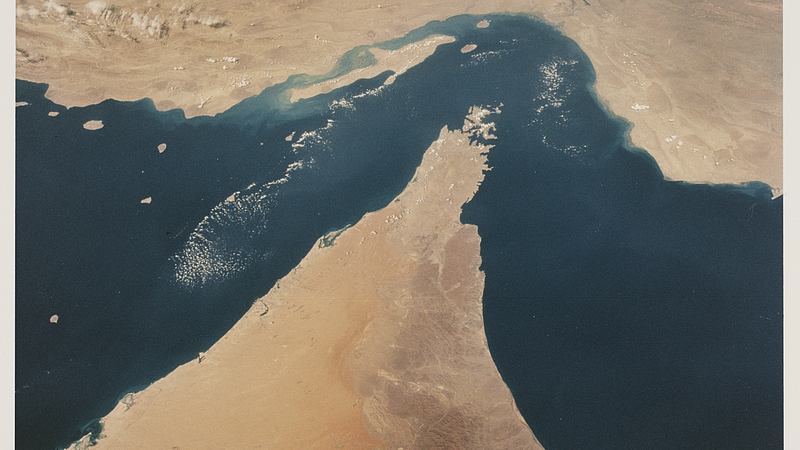
Escalating conflict in the Middle East has triggered alarm among governments and markets worldwide, with analysts warning of cascading effects on energy supplies and food prices through 2026. The potential closure of the Strait of Hormuz – through which 21 million barrels of oil pass daily – now looms as a critical risk to Asia's economic recovery.
"This isn't just a regional crisis – it's a chokehold on global trade," said Dr. Amina Farooq, energy security analyst at the Singapore Institute of Strategic Studies. "Asian economies importing 76% of their oil through this waterway face stagflation risks if shipping disruptions persist beyond Q2."
The conflict coincides with planting seasons across South and Southeast Asia, raising concerns about fertilizer shortages. India's wheat belt reports 18% higher diesel costs impacting irrigation, while Vietnam's rice exporters face shipping insurance spikes. Regional stock markets have shown volatility, particularly in energy-dependent manufacturing hubs.
Business leaders urge diversification, with ASEAN fast-tracking biofuel initiatives and Japan announcing $2 billion in battery storage subsidies this week. However, analysts note renewable transitions require time these markets may not have. For now, strategic oil reserves in China, South Korea, and India remain at 2026 highs, buying temporary stability.
As diplomatic efforts intensify, the World Food Programme warns of "secondary shocks" to Middle Eastern grain imports that could strain global supplies. With Ramadan beginning next week, regional governments face mounting pressure to stabilize prices and supplies.