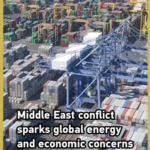
Escalating Middle East conflicts have severely disrupted global fertilizer shipments in March 2026, creating ripple effects across agricultural sectors worldwide. With key shipping routes affected, farmers from the US Midwest to Southeast Asia's rice paddies report unprecedented supply chain challenges and cost spikes.
Farmers Face Tough Choices
American corn growers and European wheat producers tell KhabarAsia they're paying 35-40% more for fertilizers compared to early 2025. In India's Punjab region, smallholder farmers are considering switching from nutrient-intensive crops like wheat to less profitable alternatives.
Economic Implications Widen
The UN Food and Agriculture Organization warns current disruptions could reduce global grain yields by 8-12% this year if unresolved. Commodity analysts note urea prices have reached $650 per metric ton – the highest since 2022's energy crisis.
Regional Responses Emerge
Vietnam recently announced emergency phosphate stockpile releases, while Brazil is accelerating bio-fertilizer research. However, agricultural economists caution these measures won't offset global shortages before the 2026 Northern Hemisphere planting season.
Looking Ahead
Shipping insurers predict at least 6-8 more weeks of significant Red Sea route disruptions. "This isn't just about fertilizer costs," warns Singapore-based agribusiness analyst Li Wei. "We're looking at potential cascading effects on food prices and trade balances through 2027."