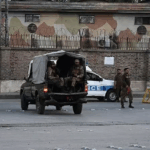
Afghanistan and Pakistan have agreed to a temporary cessation of hostilities during Eid al-Fitr celebrations this week, offering fragile respite after a reported Pakistani airstrike in Kabul left hundreds mourning. The breakthrough follows days of escalating tensions that culminated in one of the deadliest cross-border incidents in recent memory.
Airstrike Aftermath: Grief and Uncertainty
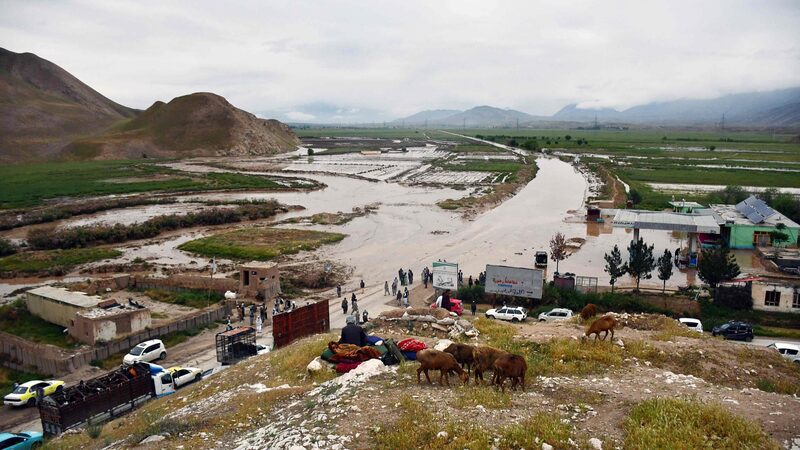
Residents gathered for mass funerals in Kabul on Thursday as families continued searching for missing relatives among the casualties. Local authorities reported widespread structural damage in the strike's vicinity, complicating recovery efforts. "This Eid should be about unity, not burial shrouds," said a Red Crescent volunteer assisting identification efforts.
Diplomatic Tightrope Walk
While neither government has formally claimed responsibility for the incident, Thursday's ceasefire announcement suggests behind-the-scenes de-escalation efforts. A joint statement emphasized "shared religious obligations" during the holy month, though analysts warn the truce remains precarious.
Regional Implications
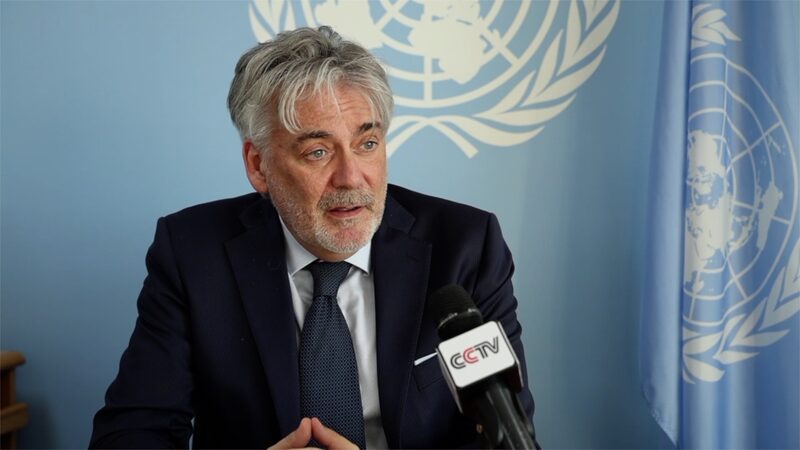
The incident has drawn international concern, with UN Secretary-General António Guterres urging "restraint and dialogue." Business leaders fear prolonged instability could disrupt critical trade routes between South and Central Asia, particularly affecting cross-border energy projects.