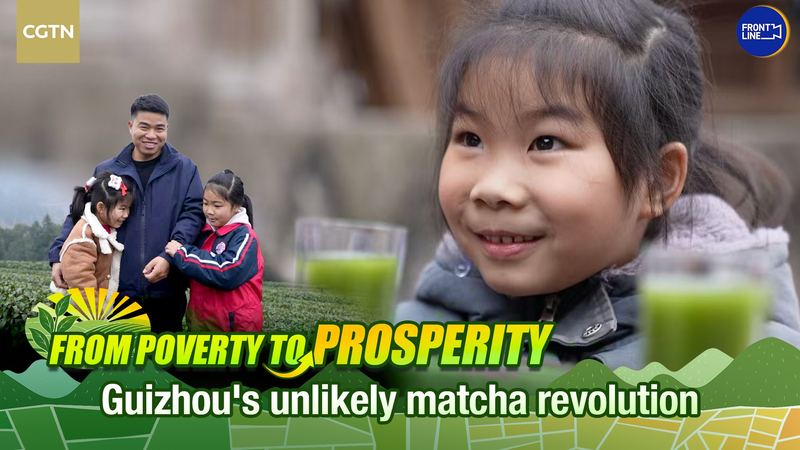
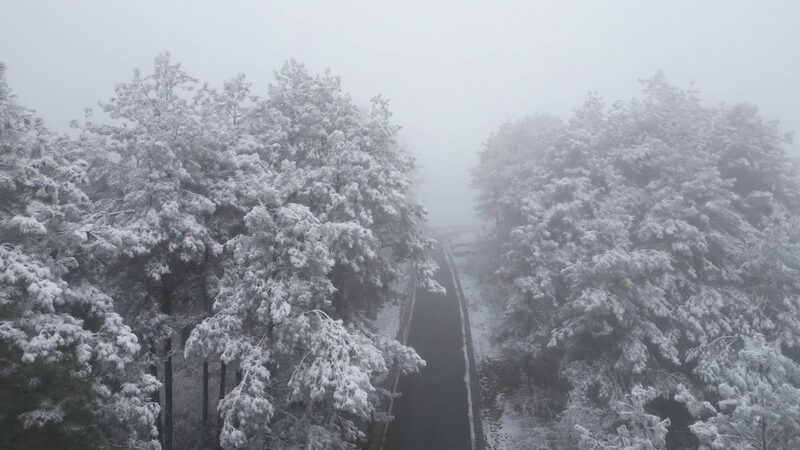
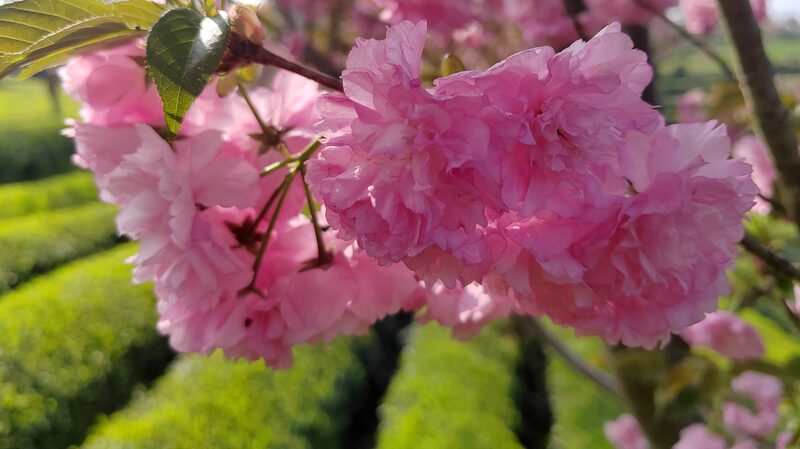
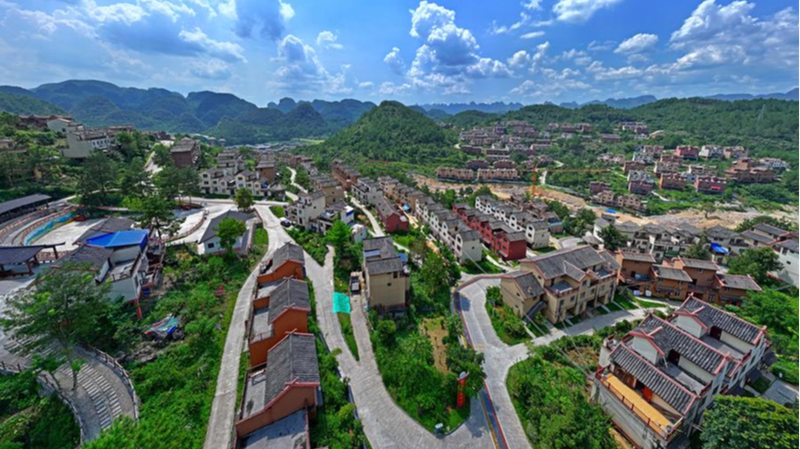
Nestled in southwest China's mist-shrouded mountains, Guizhou province has undergone a remarkable transformation from being the nation's poorest region to becoming the unlikely epicenter of the world's $2.6 billion matcha industry. This year, the province is projected to export over 60% of the global supply of the vibrant green tea powder that fuels everything from Tokyo cafes to Parisian patisseries.
A Mountainous Makeover
For decades, Guizhou's rugged terrain isolated its residents – over 9 million lived below the poverty line as recently as 2015. Today, those same misty slopes now sustain 286,000 acres of premium tea plantations. "We used to grow corn on these hills," says former subsistence farmer Li Weimin, now a quality control manager at Tongren's largest processing facility. "Now we harvest leaves worth 20 times more per kilogram."
The Clean Soil Advantage
Guizhou's delayed industrialization proved an unexpected blessing. With 92% of its land pollution-free compared to the Chinese mainland's 76% average, the province meets stringent Japanese and EU food safety standards. This ecological edge has attracted major investors, including Japanese tea giant Marushichi Seicha, which opened its first overseas processing plant here in 2024.
Economic Ripple Effects
The matcha boom has created 130,000 local jobs and boosted rural incomes by 400% since 2020. Infrastructure development has accelerated, with new highways connecting remote villages to export hubs. However, challenges remain – climate scientists warn rising temperatures could shrink suitable growing areas by 15% by 2035 if current trends continue.
As global demand for premium matcha grows 12% annually, Guizhou's story offers lessons in turning geographical constraints into competitive advantages. With sustainable farming initiatives and value-added product development underway, this former backwater is writing a new chapter in China's rural revitalization narrative.