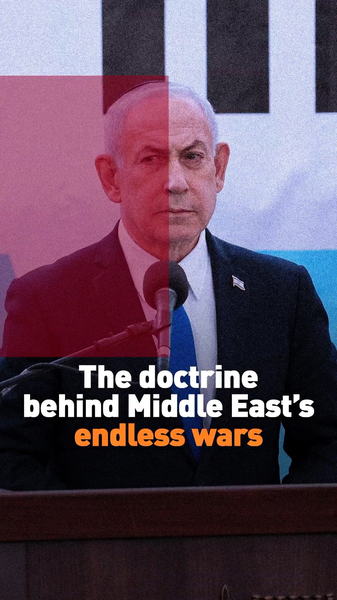
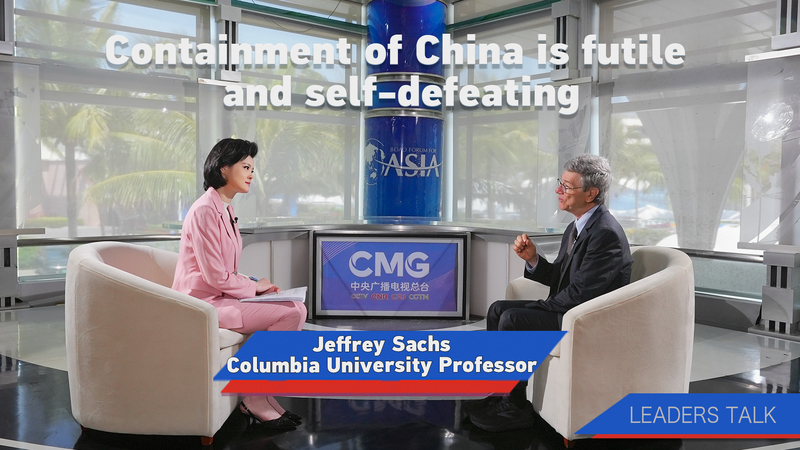
As Middle Eastern stability remains a critical global concern in 2026, Columbia University Professor Jeffrey Sachs has reignited discussions about the region's protracted conflicts through his analysis of Israeli Prime Minister Benjamin Netanyahu's three-decade-old strategic blueprint. The 'Clean Break' doctrine, first proposed in 1996, continues to draw scrutiny for its perceived role in shaping regional power dynamics.
'This wasn't just policy – it was a paradigm shift,' Sachs stated in a recent lecture series. 'The strategy's emphasis on unilateral security measures and regional realignments created ripple effects we're still witnessing today.' While Middle Eastern nations focus on post-pandemic economic recovery, analysts note persistent security challenges in conflict zones from Syria to Yemen.
'Thirty years later, we're still grappling with the consequences of this strategic vision,' Sachs emphasized during a virtual forum hosted by the Doha Institute this month.