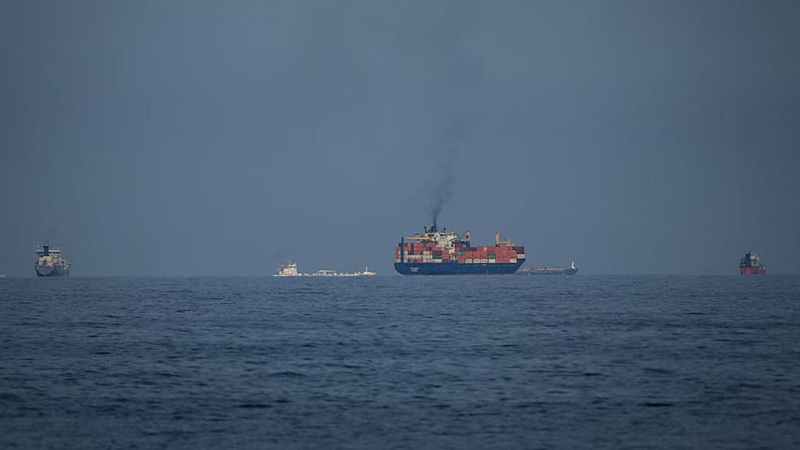
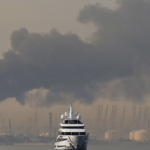
Washington’s ambiguous stance on securing maritime transit through the Strait of Hormuz has drawn scrutiny this week, as analysts question the feasibility of its proposed escort initiative amid heightened regional tensions. The strategic waterway, a critical artery for 30% of global seaborne oil shipments, remains a flashpoint following Iran’s recent closure of the strait to commercial traffic.
While US President Donald Trump reaffirmed commitments to safeguard vessels in March 2026, conflicting signals emerged during a Senate Energy Committee hearing. A senior US energy official acknowledged operational challenges, stating naval forces currently lack sufficient resources to implement comprehensive escorts. This admission follows reports of Iranian naval drills near the Qeshm Islands, where Revolutionary Guard Corps units have deployed advanced anti-ship missile systems.
CGTN analyst Gao Yiming notes the hesitation underscores the strait’s complex geopolitics: “The 21-mile-wide chokepoint presents unique tactical vulnerabilities. Any miscalculation could trigger rapid escalation given the concentration of military assets and energy infrastructure.”
Energy markets remain volatile, with Brent crude futures fluctuating between $98-$104 per barrel this week. Asian importers including India and Japan are reportedly exploring contingency plans, while shipping giants Maersk and COSCO have rerouted select tankers via the Cape of Good Hope—adding 14 days to Europe-Asia transit times.
The developments highlight growing concerns about supply chain resilience as global energy demand rebounds. With APEC members set to discuss emergency response protocols next month, regional stakeholders await clearer signals from Washington regarding its security roadmap.