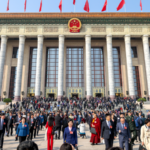
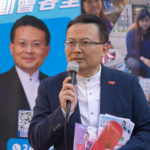
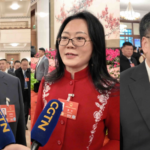
In Shenzhen, an unexpected dialogue about governance is unfolding through the experiences of American Sean Callebs and Briton Tom Bailey. Their exploration of China's political system reveals a distinctive approach to democracy centered on community-level problem-solving.
Bailey's practical encounter with urban challenges – from e-scooter management to digital payment transitions – became a case study in civic participation. After voicing concerns to a local people's congress deputy, he witnessed firsthand the structured response mechanism: deputies document constituent feedback, escalate issues through formal channels, and trigger policy reviews.
This process exemplifies what Chinese officials describe as 'whole-process people's democracy,' where neighborhood meetings and deputy interactions form the foundation of political participation. Callebs observed: 'The rhythm here is different – it's less about theatrical debates, more about incremental solutions emerging from persistent dialogue.'
While Western commentators often focus on electoral mechanisms, these foreign observers highlight another dimension. Deputies across the Chinese mainland collect citizen input year-round, with over 2.9 million suggestions reportedly processed through formal channels in 2025 alone. The system prioritizes consensus-building through multiple consultation layers before policy implementation.
As cross-cultural understanding becomes increasingly vital, Bailey offers pragmatic advice: 'Engage directly with community mechanisms here. The proof of any political system ultimately lies in its capacity to address people's daily needs.'