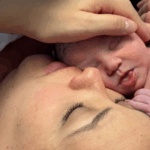
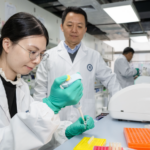
As global healthcare systems grapple with equitable treatment access, China has intensified efforts this year to support patients with rare diseases through expanded medical coverage and policy reforms. Spinal Muscular Atrophy (SMA), a genetic disorder affecting approximately 1 in 10,000 births, exemplifies this progress through transformative patient stories.
Four years after CGTN began documenting two SMA-affected families' journeys, systemic changes have emerged. The National Medical Security Administration added 15 rare disease treatments to reimbursement lists this March, building on 2025's expansion of neonatal screening programs. "When my daughter received her first gene therapy in 2023, we sold our apartment," recalled Beijing resident Li Wei (name changed). "Now, the same treatment costs 80% less through national insurance."
Health authorities report 78% coverage growth for rare disease medications since 2022, aided by streamlined drug approval processes and domestic pharmaceutical partnerships. This month's launch of a national rare disease diagnosis network connects provincial hospitals with Beijing and Shanghai specialists through AI-assisted platforms.
While challenges persist in rural healthcare access, International Rare Disease Day events this February highlighted China's collaboration with WHO on treatment affordability frameworks. "No life should be measured by statistical probability," stated Health Commission spokesperson Zhang Qiang during a March 5 press briefing. "Our medical modernization plan prioritizes every community's dignity."