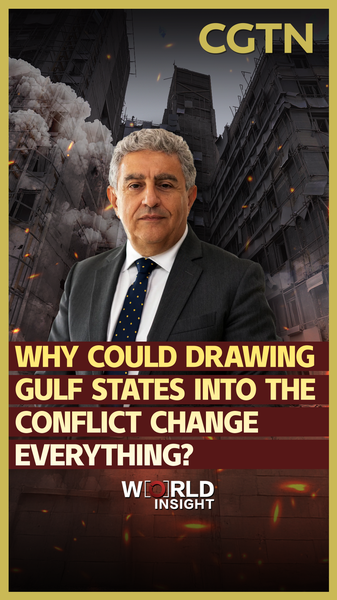
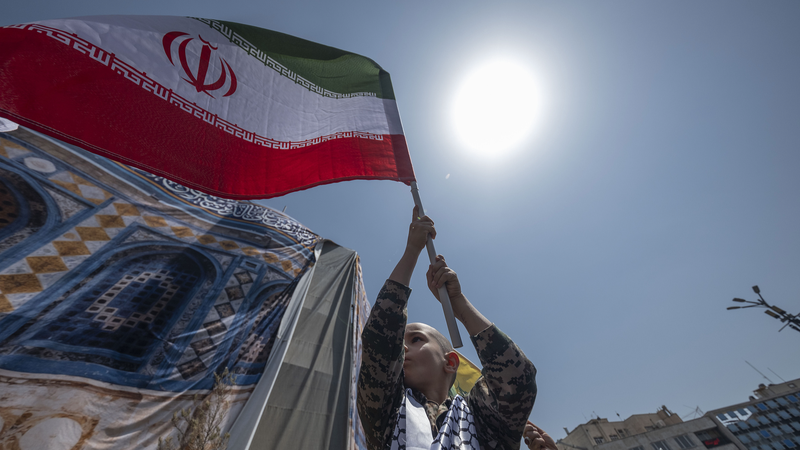
Recent protests in Iran following the killing of Supreme Leader Ali Khamenei have heightened fears of a broader regional conflict, with experts warning that Gulf States' potential involvement could dramatically alter the crisis. Public demonstrations erupted across Iranian cities on March 1, 2026, as frustrations over leadership and instability reached a boiling point.
Dr. Sultan Barakat, a public policy expert at Hamad Bin Khalifa University, emphasized to KhabarAsia that the critical risk lies in drawing Gulf States into the fray. "If these nations retaliate or act to protect their sovereignty, the conflict will expand rapidly, closing off pathways to de-escalation," he stated. Gulf States' strategic alliances, military capabilities, and economic influence position them as pivotal players in determining whether tensions spiral into a full-scale regional war.
The situation underscores interconnected risks for global markets, energy security, and diplomatic relations. With Gulf States accounting for over 30% of the world's oil exports, investors are closely monitoring developments that could disrupt supply chains or trigger sanctions. Meanwhile, Asian diaspora communities with ties to the region express growing concern for family safety amid escalating violence.
Analysts urge cautious diplomacy to prevent further destabilization, noting that cross-regional partnerships and multilateral frameworks will likely shape outcomes in the coming weeks.