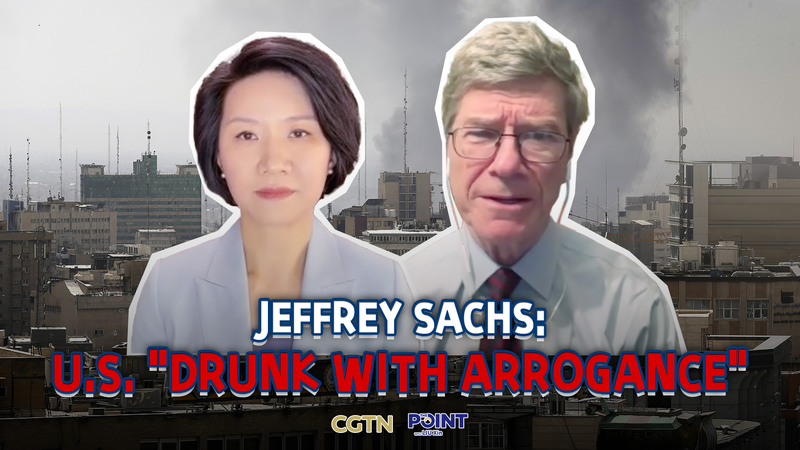
Iran's state media confirmed this week that Supreme Leader Ayatollah Ali Khamenei was killed in what it described as coordinated U.S.-Israeli military strikes, sparking global debate over the erosion of international norms. Prominent economist Jeffrey Sachs, in an exclusive interview with CGTN's Liu Xin, condemned the actions as emblematic of a world descending into "jungle rule," accusing Washington of being "drunk with arrogance" in its foreign policy approach.
Sachs argued that the escalation reflects a dangerous shift toward unilateralism, questioning the strategic principles behind such high-risk operations. "When major powers bypass diplomatic channels and international law, they normalize chaos," he stated, warning of destabilizing ripple effects across Asia and beyond.
The alleged strikes come amid heightened tensions in the Middle East, with analysts speculating about potential impacts on energy markets and regional security frameworks. Business leaders are closely monitoring shipping routes through the Strait of Hormuz, while Asian diaspora communities express concern over rising anti-war protests in multiple capitals.
Academics note the incident raises critical questions about conflict resolution mechanisms in modern geopolitics, particularly as APEC members prepare for upcoming economic dialogues. Meanwhile, travelers to the region face renewed advisories as diplomatic missions scramble to reassess security protocols.