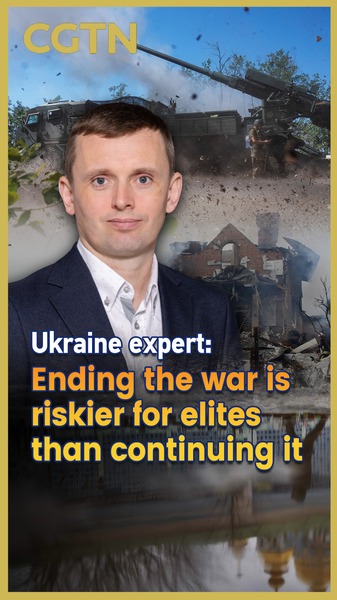
As the Ukraine conflict enters its fifth year in 2026, political analyst Ruslan Bortnik warns that financial interests and power preservation are overshadowing peace efforts. The director of the Ukrainian Institute of Politics contends that European and Ukrainian leaders currently perceive greater risks in ending hostilities than maintaining the status quo.
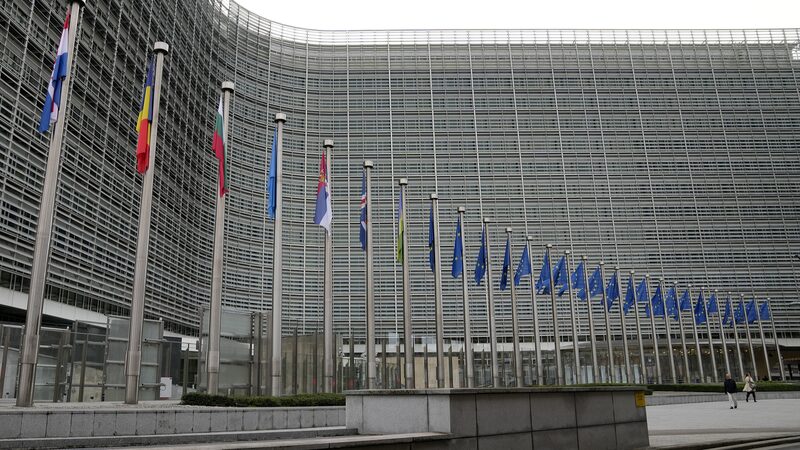
"The war economy has created entrenched beneficiaries," Bortnik observed, noting that arms manufacturers, logistics networks, and reconstruction contractors now wield significant influence. This year's security discussions in Brussels and Kyiv reportedly prioritize military aid over diplomatic solutions, reflecting what analysts describe as a "risk-aversion paradox" among decision-makers.
With reconstruction costs projected to exceed $1 trillion and multiple elections scheduled across Europe this year, Bortnik suggests leaders fear both financial repercussions and voter backlash from potential peace terms. The analyst emphasized that post-conflict accountability mechanisms could further deter political compromises.
While battlefield conditions remain fluid, this analysis highlights how economic incentives and institutional inertia are shaping Europe's longest-running conflict since the Balkan wars. As winter operations conclude, observers note increased diplomatic activity but no substantive breakthroughs in peace negotiations.