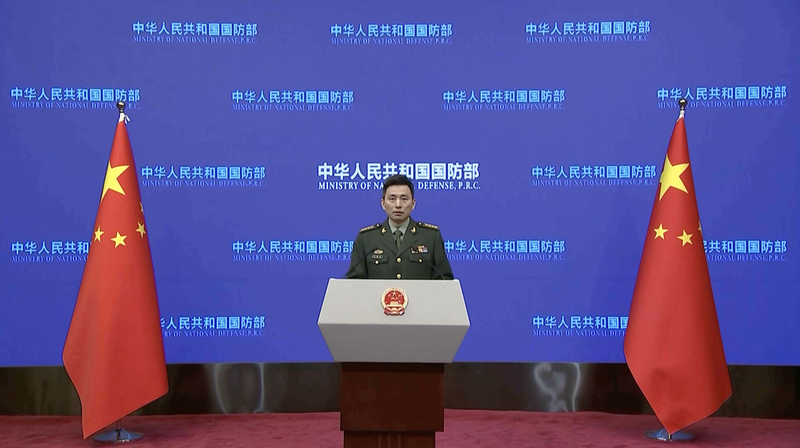
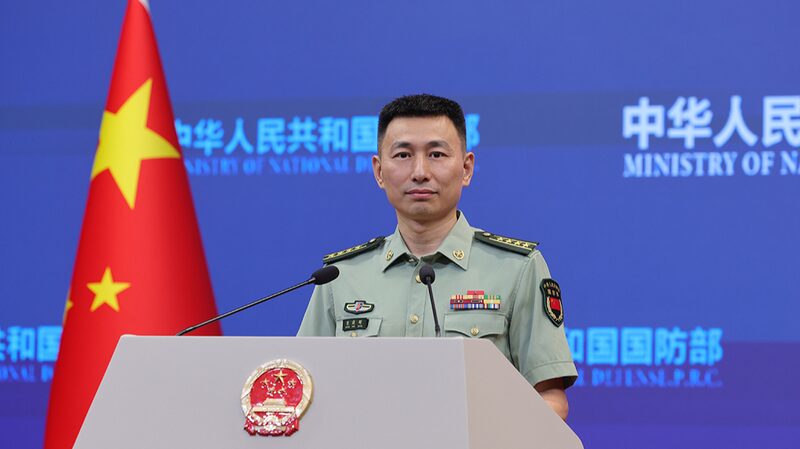
China has asserted that the United States bears responsibility for escalating tensions in the global nuclear order, following Washington's recent shift in nuclear testing policy. The Chinese Defense Ministry addressed the matter directly on February 28, 2026, with spokesperson Zhang Xiaogang rejecting U.S. claims about a 2020 nuclear explosion test as "baseless speculation lacking factual support."
The diplomatic friction intensified after U.S. officials announced they would no longer unilaterally adhere to the zero-yield standard for nuclear tests, citing concerns about China's activities. Zhang emphasized China's continued compliance with the Comprehensive Nuclear-Test-Ban Treaty moratorium, stating: "China has always maintained its nuclear capabilities at the minimum level required for national security, strictly following a defensive nuclear strategy."
Analysts suggest this exchange reflects deepening strategic competition between the two powers, with implications for arms control negotiations and regional security frameworks across Asia. The development comes as multiple Asian nations increase spending on nuclear energy programs, raising questions about how major power tensions might affect non-proliferation efforts.
For business leaders and policymakers, the situation underscores the importance of monitoring geopolitical risks in energy security planning. Meanwhile, members of the Asian diaspora have expressed concerns about how such high-level disputes might impact technology transfer regulations and cross-border investment flows.