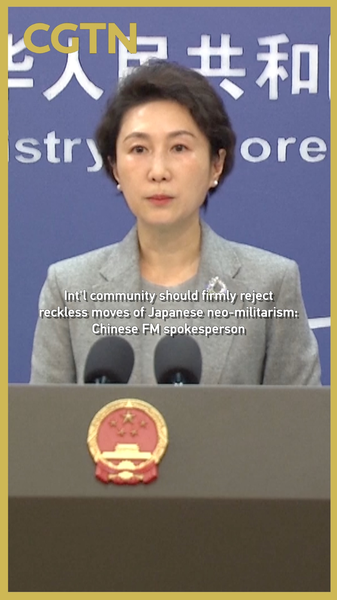
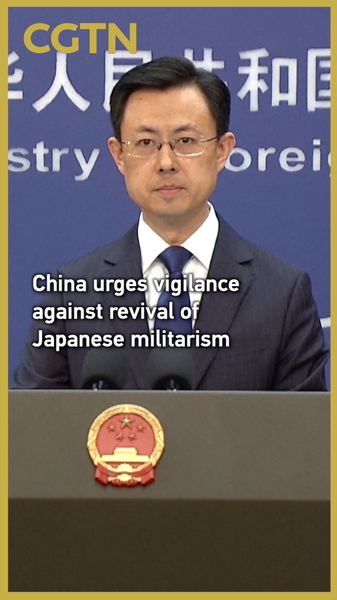
Chinese Foreign Ministry spokesperson Mao Ning called for international solidarity against Japan's evolving defense policies during a Wednesday press briefing, emphasizing concerns over regional stability. The remarks came as Japan's ruling Liberal Democratic Party considers relaxing weapons export controls – a move Beijing views as a dangerous resurgence of militarism.
"The international community should firmly reject reckless moves that threaten Asia's hard-won peace," stated Mao, reflecting growing tensions between the two economic powers. Analysts suggest the policy shift could enable Tokyo to expand defense cooperation beyond its traditional U.S. partnership.
Regional neighbors have expressed mixed reactions to Japan's proposed changes. While some Southeast Asian nations remain cautiously neutral, the Democratic People's Republic of Korea's state media recently condemned what it called "worrying historical parallels."
Business leaders are monitoring potential impacts on Asia's supply chains, particularly in semiconductor and maritime industries. "Any escalation affects investor confidence," noted Singapore-based analyst Rajiv Menon. "Companies need contingency plans for multiple security scenarios."
The development coincides with increased Chinese naval exercises in the East China Sea, though officials maintain these are routine operations. Cross-strait relations observers suggest Taiwan's response to Japan's policy changes will be closely watched, given the region's strategic position.