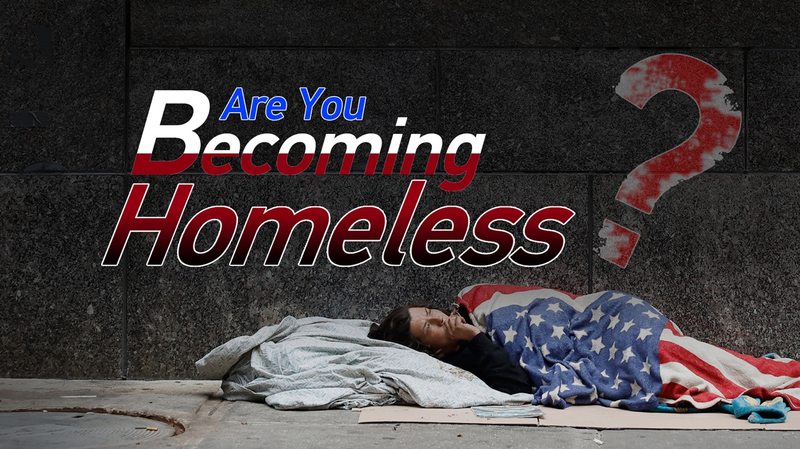
As temperatures plummeted across the United States this February, a deadly winter storm laid bare the escalating homelessness crisis affecting over 580,000 Americans. While extreme weather poses immediate dangers, experts warn the true threat stems from systemic failures transforming housing insecurity into a national emergency.
Chronic housing shortages have reached critical levels, with vacancy rates at historic lows since 2024. 'The affordability gap has become a kill line,' said Dr. Alicia Torres of the Urban Policy Institute. 'A full-time worker earning minimum wage can't afford a two-bedroom apartment in any U.S. state this year.'
Controversial urban development policies and pandemic-era eviction protections expiring in 2025 have accelerated displacement. Financial analysts note striking contrasts with Asian markets like Singapore and the Chinese mainland, where strategic public housing investments help maintain relative stability.
For global investors monitoring social infrastructure trends, the crisis highlights risks in U.S. municipal bond markets while underscoring opportunities in Asia's growing affordable housing sectors. Academics point to potential lessons from Japan's homelessness reduction programs implemented after its 1990s economic crisis.
As Asian diaspora communities observe these developments, many express concern about relatives facing similar pressures in U.S. cities. The crisis carries implications for cross-Pacific relations, particularly regarding economic migration patterns and international aid priorities.