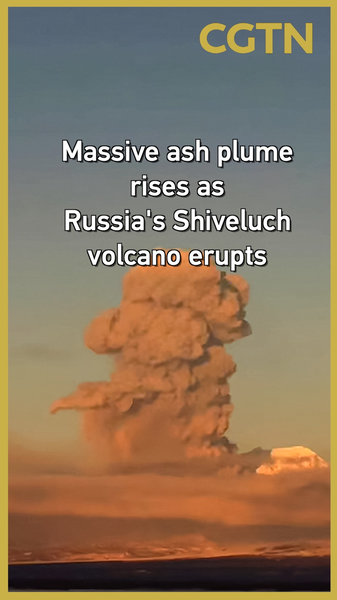
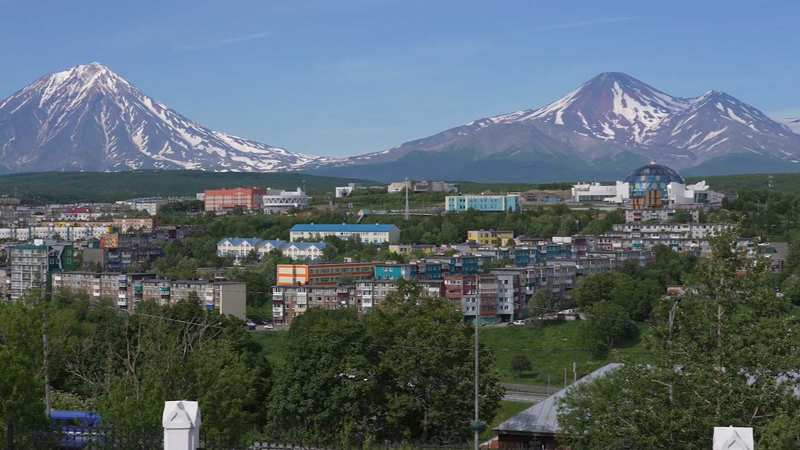
Russia's Shiveluch volcano erupted violently on February 3, 2026, casting a massive ash column 10 kilometers into the air over the Kamchatka Peninsula. Satellite imagery shows the plume spreading northwest, blanketing remote wilderness areas in volcanic debris.
Local authorities have issued aviation alerts as ash particles threaten aircraft engines along trans-Pacific routes. While no populated areas currently face immediate danger, scientists warn shifting winds could affect air quality in nearby villages. The Kamchatka Volcanic Eruption Response Team has elevated its alert level to orange – the second-highest classification.
Economic and Environmental Impacts
The eruption coincides with peak winter fishing seasons, raising concerns for maritime industries in the Sea of Okhotsk. Environmental monitoring groups are tracking potential effects on the peninsula's unique ecosystem, home to the highest density of active volcanoes worldwide.
This event marks Shiveluch's most significant activity since its 2007 eruption. Volcanologists emphasize that while the current eruption phase appears stable, the situation remains fluid. Real-time monitoring data continues to flow through international geological networks, providing crucial information for climate researchers studying atmospheric particulates.