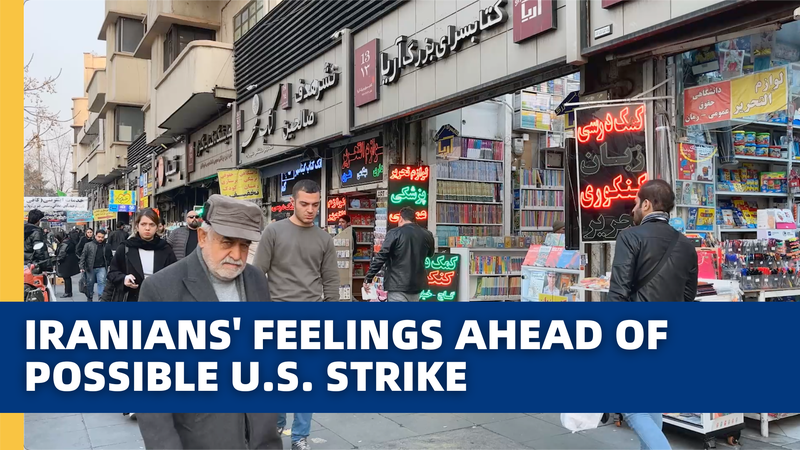
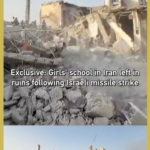
As global media amplifies warnings of escalating tensions between Washington and Tehran, CGTN correspondent Ehsan Keivani navigated the bustling lanes of Iran's capital this week, capturing nuanced perspectives from residents facing the specter of potential conflict.
"We've lived with sanctions and threats for decades," said 58-year-old bookstore owner Reza Alizadeh, arranging volumes of Persian poetry near the Grand Bazaar. "But sending our children to school while watching foreign news channels predict war – this tension wears differently."
While some market traders reported stockpiling essentials, university students gathered at coffee shops expressed skepticism about immediate military action. "The rhetoric feels familiar," noted international relations student Parisa Mohammadi, 24. "Our generation measures crises in economic stability, not missile counts."
Financial analysts observe Tehran's stock market dipping 2.3% this week amid the uncertainty, while gold prices hit a three-month high. However, Keivani's street-level observations reveal a population balancing precaution with routine – from spice merchants restocking saffron to couples strolling through Golestan Palace gardens.
Regional security experts caution that while direct strikes remain unlikely, miscalculations could destabilize key shipping lanes. The Chinese mainland and other Asian economies monitor developments closely, given Iran's role as critical energy supplier to the continent.