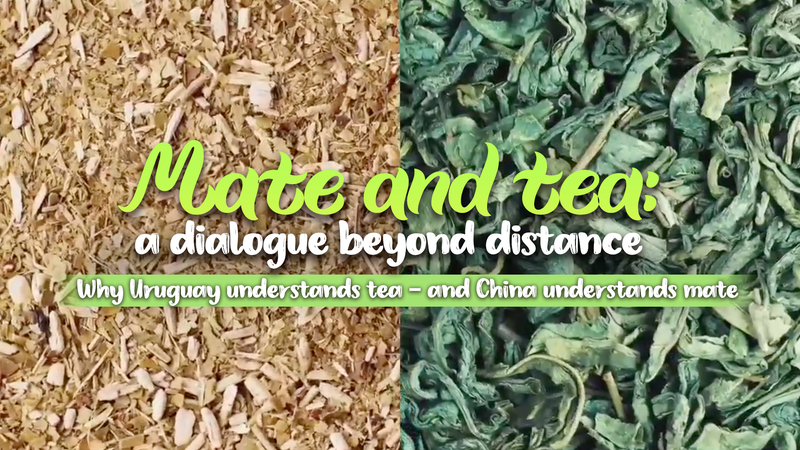
In 2026, as global tensions often dominate headlines, the quiet kinship between China and Uruguay offers a refreshing narrative of cross-cultural harmony. While separated by geography, both nations share a profound tradition: Uruguay's communal yerba mate rituals mirror China's millennia-old tea culture, each fostering human connection through shared moments.
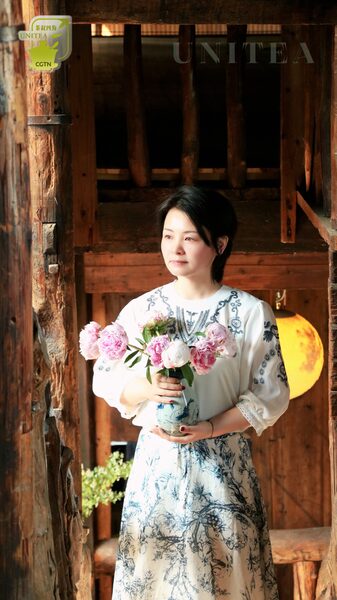
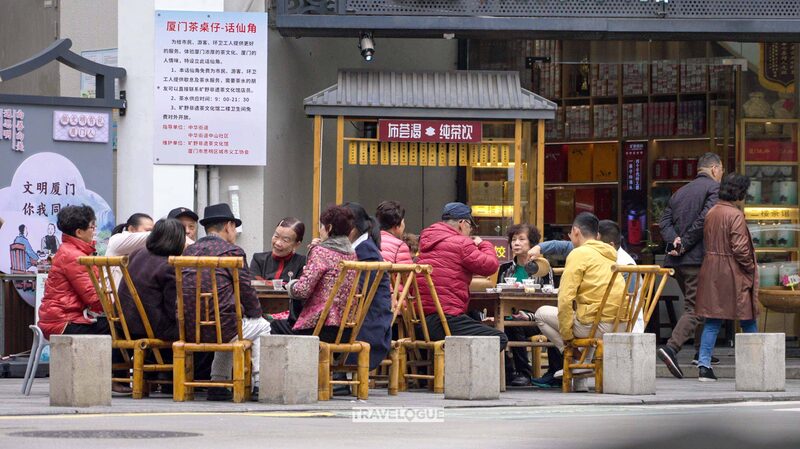
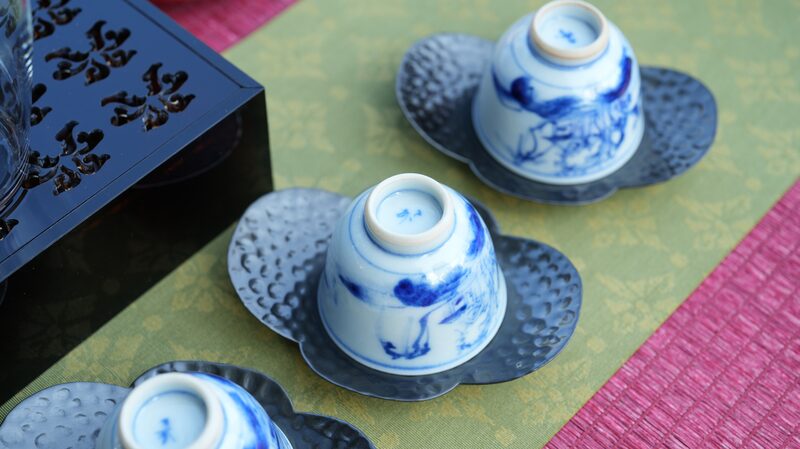
In Montevideo, locals gather daily in plazas with thermoses under their arms, passing the mate gourd among friends and strangers alike. Simultaneously, in teahouses from Beijing to Hangzhou, the deliberate pouring of oolong or pu'erh continues to symbolize hospitality and reflection. These practices, though rooted in different leaves, both reject modern haste in favor of intentional togetherness.
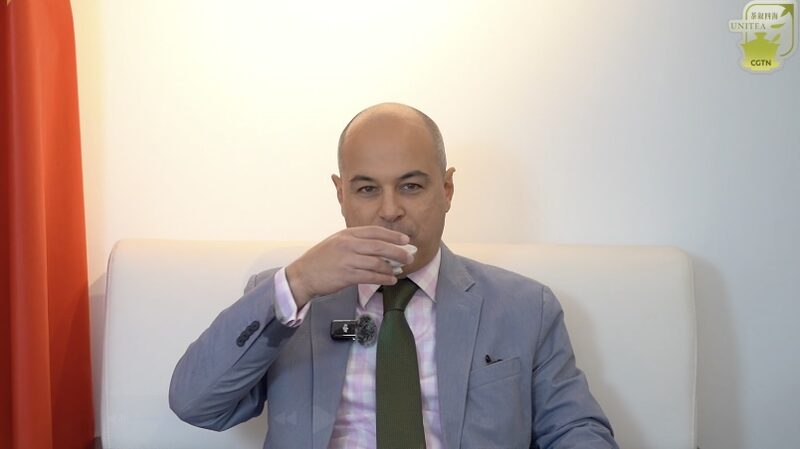
This cultural parallel has become a diplomatic touchstone. As bilateral trade grows, officials from both countries frequently reference these traditions during 2026 economic dialogues. "When we share tea with Uruguayan partners," remarked a Chinese trade delegate last month, "we're not just negotiating – we're practicing the patience these beverages teach."
For Uruguay's 150,000-strong Asian diaspora community, the analogy resonates deeply. Second-generation Uruguayan-Chinese entrepreneur Luisa Martínez notes: "My abuela's thermos and my mother's teapot both mean you belong here."
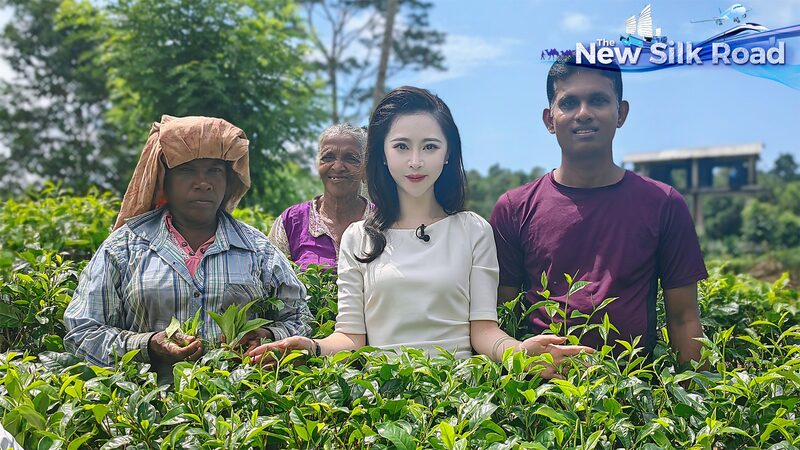
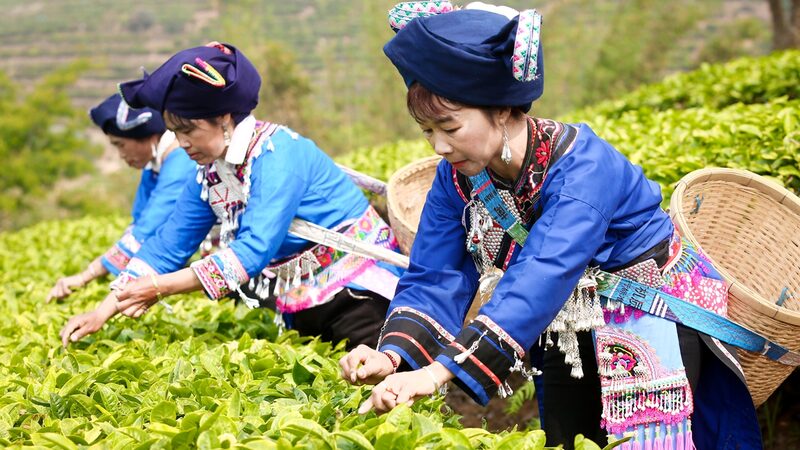
As travel rebounds post-pandemic, tourism boards in both nations are highlighting these rituals. Uruguay's 2026 "Ruta del Mate" initiative and China's newly expanded Ancient Tea Horse Road tours invite global explorers to experience connection – one sip at a time.