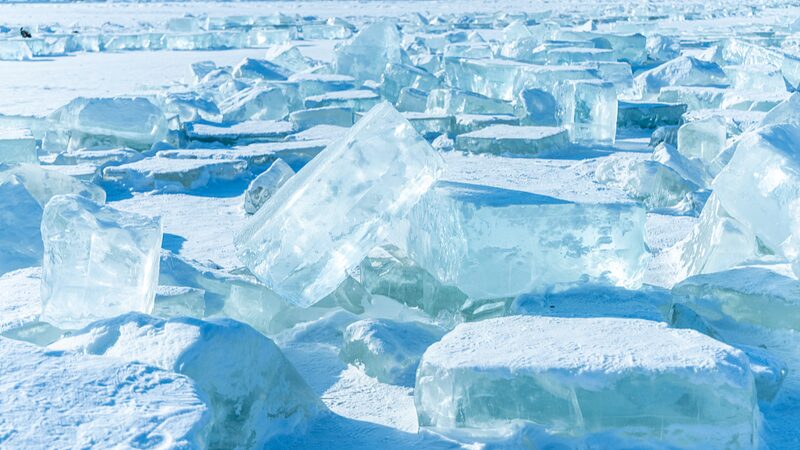
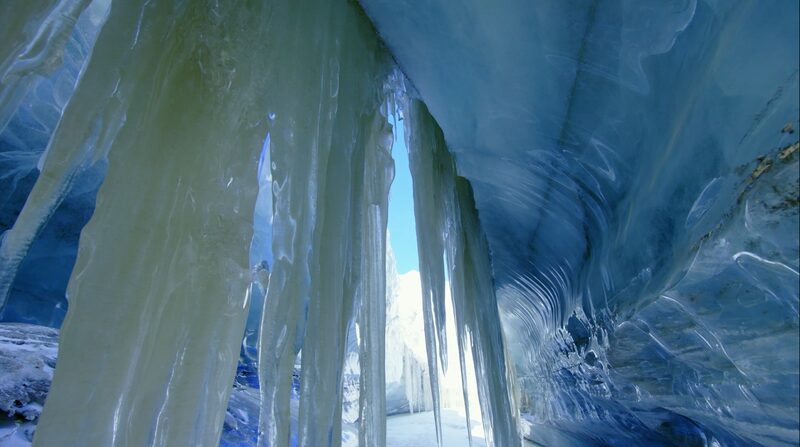
As subzero temperatures grip northern China this January, Yuncheng Salt Lake in Shanxi Province has unveiled its annual winter marvel: intricate crystalline formations dubbed "mirabilite blossoms." This natural phenomenon occurs exclusively when water temperatures drop below 5°C (41°F), causing sodium sulfate and magnesium sulfate in the lake to crystallize into delicate floral patterns beneath ice sheets.
Local geologist Dr. Wei Lin explains: "The lake's unique mineral composition creates these transient artworks. While similar crystallization occurs in other salt lakes, Yuncheng's specific balance of sulfates and winter temperature fluctuations makes its formations exceptionally intricate."
The spectacle has drawn increased domestic tourism this winter, with visitor numbers up 18% compared to January 2025. Park authorities have implemented timed entry slots to protect both visitors and the fragile crystalline structures.
Environmental scientists emphasize the formations' climate significance. "These blossoms serve as natural thermometers," notes researcher Zhang Mei. "Their size and pattern complexity help us track subtle changes in winter temperature patterns across the Chinese mainland."