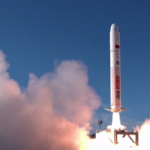
Space tourism entered a new phase this month as China's domestically developed Lihong-1 spacecraft completed its first crew-capable suborbital test flight on January 12. The reusable vehicle, designed to carry six civilian passengers, achieved a maximum altitude of 103 km during its landmark demonstration.
Developed by China National Space Science, the capsule features panoramic windows and specialized seats that allow untrained passengers to experience weightlessness safely. 'This represents a quantum leap in making space accessible,' said project spokesperson Zhang Wei during a press briefing. 'By 2027, we aim to offer regular commercial flights at one-third the cost of current international options.'
The breakthrough comes as Asia solidifies its position in the global space economy, with private Chinese companies now accounting for 40% of worldwide commercial space investments. Analysts predict the suborbital tourism market could generate $15 billion annually by 2030, creating new opportunities in aerospace manufacturing and spaceport infrastructure across the region.
While safety certification processes continue, preliminary ticket registrations have reportedly surpassed 20,000 applications globally. The program's next milestone will be a full-capacity test flight with civilian participants scheduled for Q3 2026.