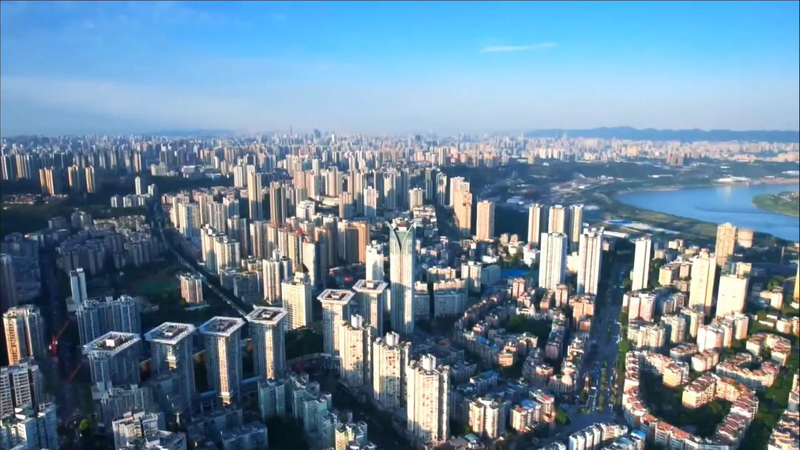
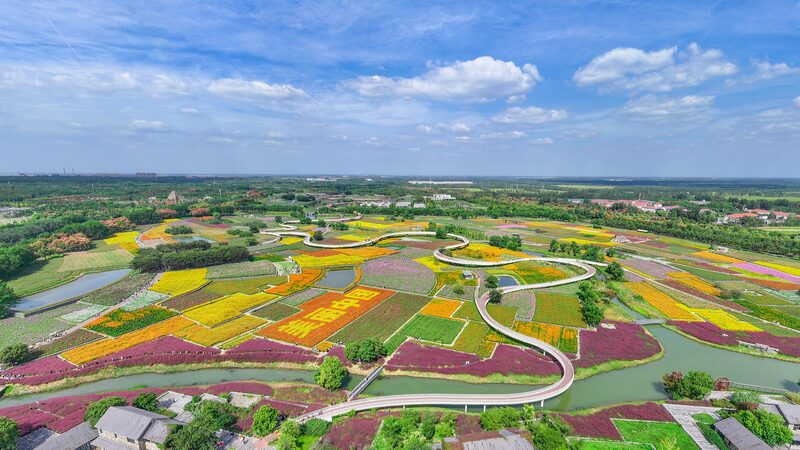
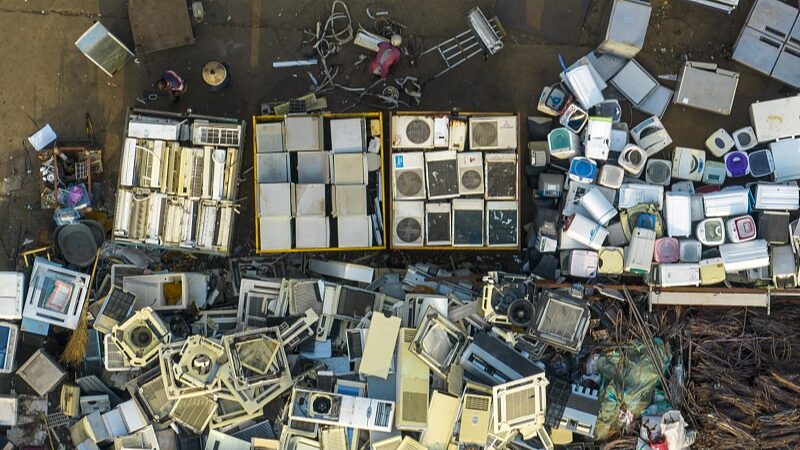
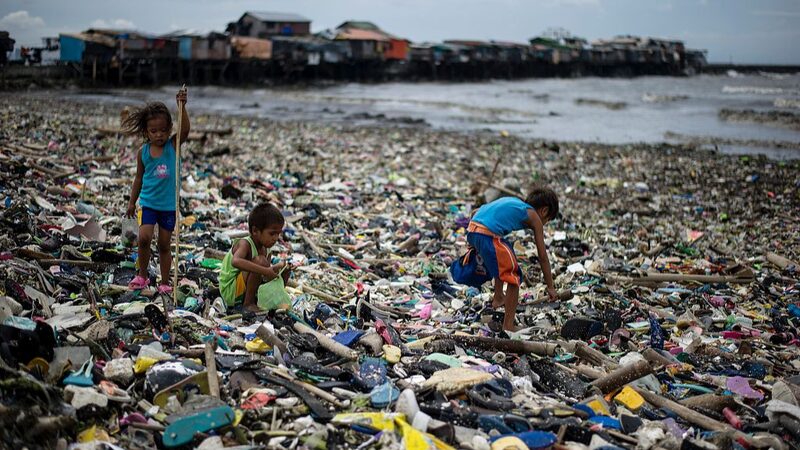
As China continues its ecological modernization drive, the Ministry of Ecology and Environment has announced an ambitious expansion of its zero-waste city program this year. With rapid urbanization and agricultural activity generating over 4 billion tons of solid waste annually, the initiative aims to transform urban centers into circular economy hubs through advanced waste management strategies.
The updated 2026 blueprint targets 100 pilot cities implementing cutting-edge sorting systems and AI-powered recycling facilities. Key measures include mandatory organic waste processing for agricultural regions and blockchain-enabled tracking for industrial byproducts. "This represents a fundamental shift from waste disposal to resource optimization," stated Minister Huang Runqiu during Thursday's policy briefing.
Notable progress has been achieved in first-phase cities like Shenzhen, where landfill dependency decreased by 18% since 2023 through smart trash classification systems and community composting networks. The program now expands to secondary cities, with particular focus on developing standardized waste-to-energy conversion protocols.
International observers highlight the initiative's potential to reshape global sustainability models, particularly through its integration of digital monitoring platforms and public-private partnerships. As China advances toward its 2035 ecological civilization goals, the 2026 waste management reforms emerge as a critical test case for balancing economic growth with environmental stewardship.